The Record.
Every dispatch, Council Watch and structured question, most recent first.
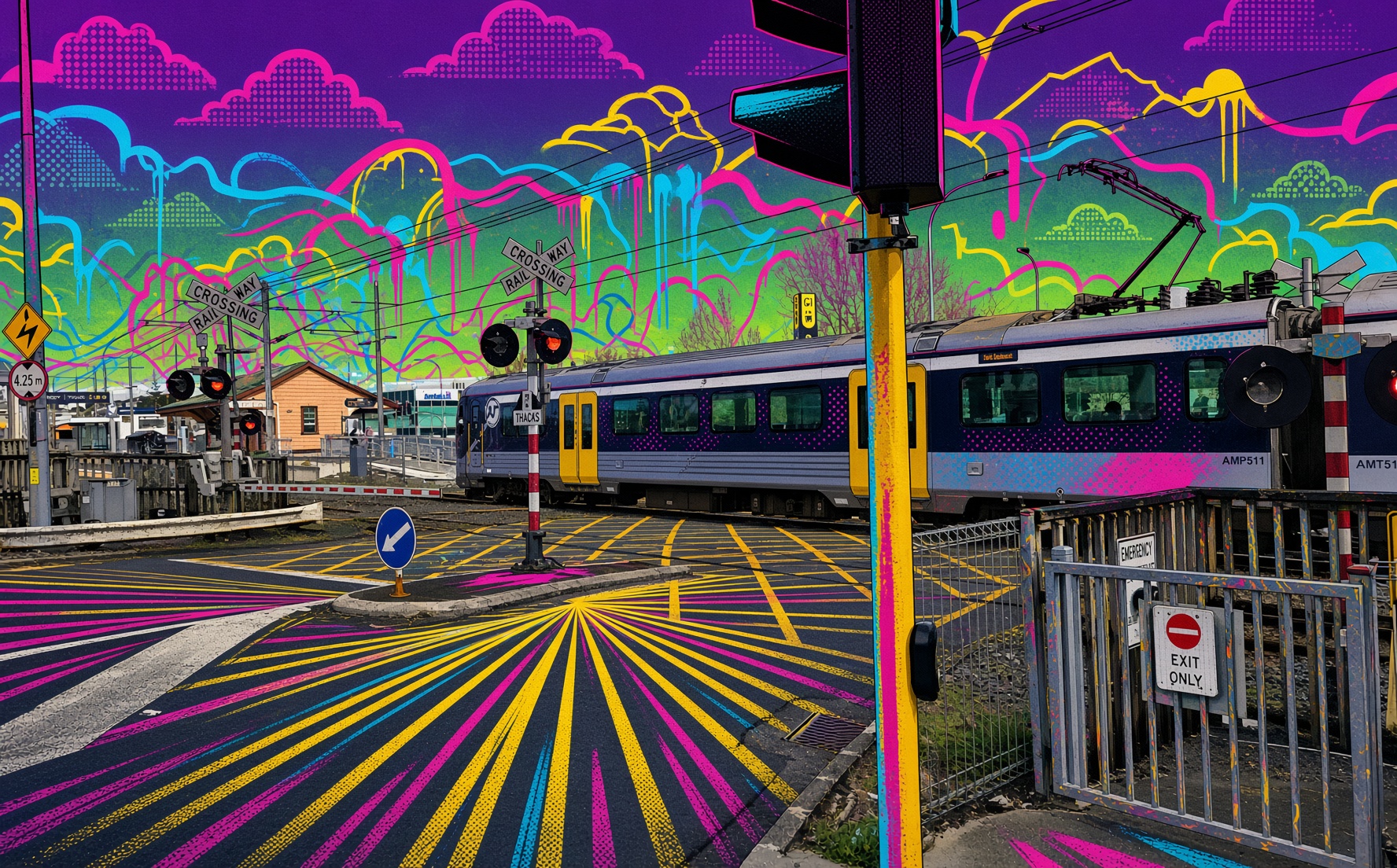
A minute at the boom is not a $2.7 billion problem
CRL's opening week put rail boardings back in the pre-COVID daily band, but the $2.7 billion crossing-removal programme rests on a BCR of 1.0 and a timetable the network is not yet running. A one-minute boom is a red light with a bell; nine-car platforms and southern paths are the cheaper capacity.
Weekly Community Digest, 17 September 2026 - 24 September 2026
Automated summary of 0 community comments from 17 September 2026 - 24 September 2026.
Request for legal advice: permanent speed limits below 50 km/h on urban streets
City Builders has asked Auckland Council for written legal advice on whether a local board may set a permanent speed limit below 50 km/h on urban streets under the Setting of Speed Limits 2024 Rule — and for existing opinions and classification material under official information.
Twenty-one plans, one checkbox
Auckland's 21 local board plans are not 21 strategies. They are one corporate document reprinted with a different mihi and a different chair's signature. The ritual is legally required. The substance is optional.
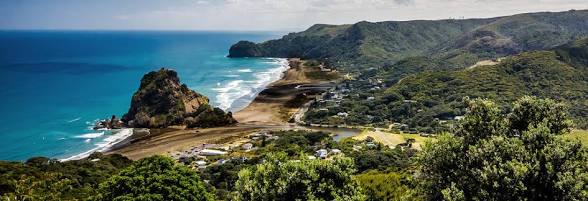
Piha Campground Is Shut. Auckland Council Has Not Said When It Will Reopen.
Piha Domain campground is shut after updated flood mapping put the floodplain site in a high-risk zone. Council is taking legal advice and will not give a date. The same hazard test now hangs over dozens of council campsites, and the path to keeping camping at Piha runs through a public Reserves Act decision, not a staff note.
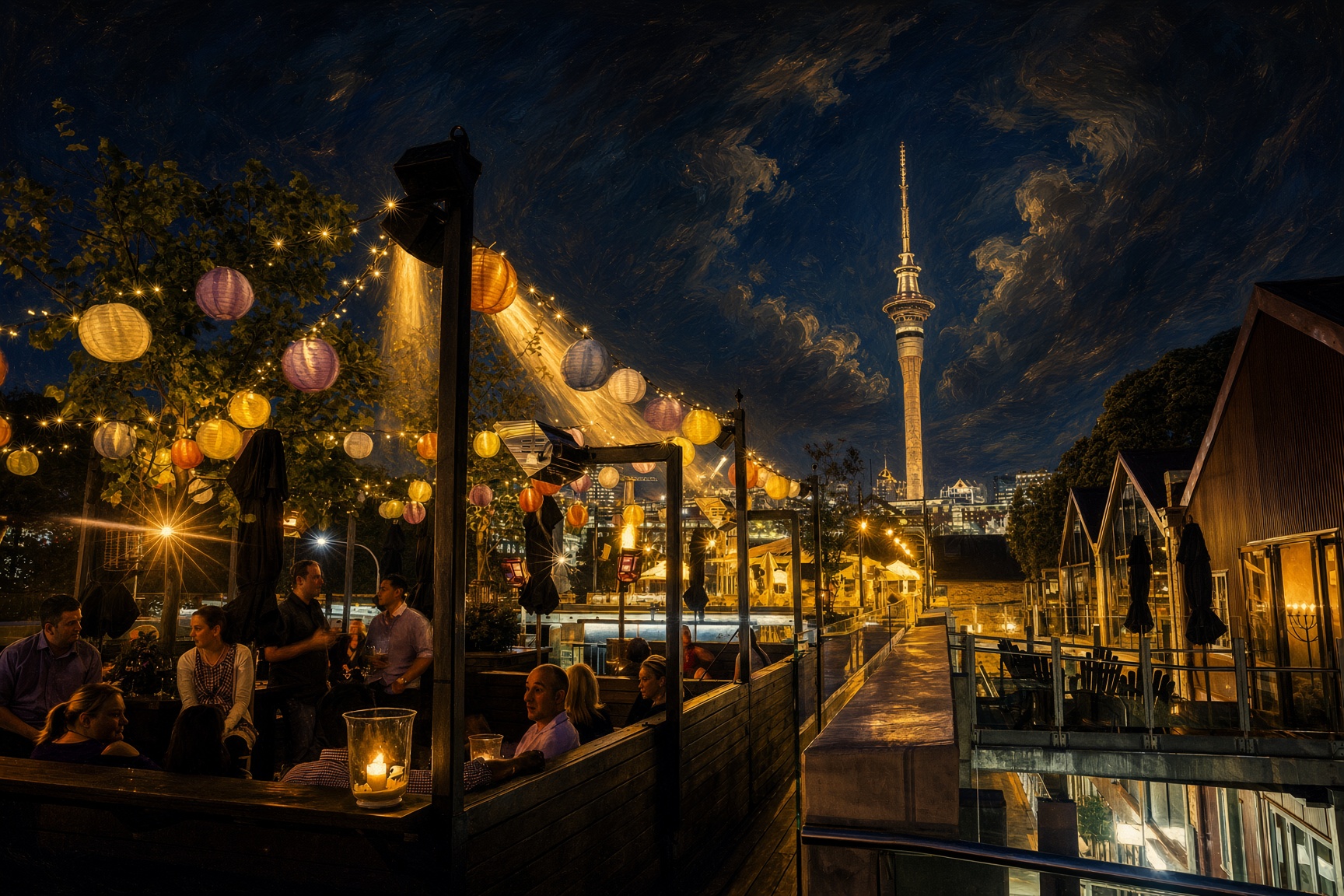
Auckland After Dark Still Has a Pulse. We Should Keep It.
Auckland's nightlife is a small archipelago of surviving personality: K Road, Britomart, the Viaduct. The city needs enough night left in it that the rooms where strangers meet can stay open.
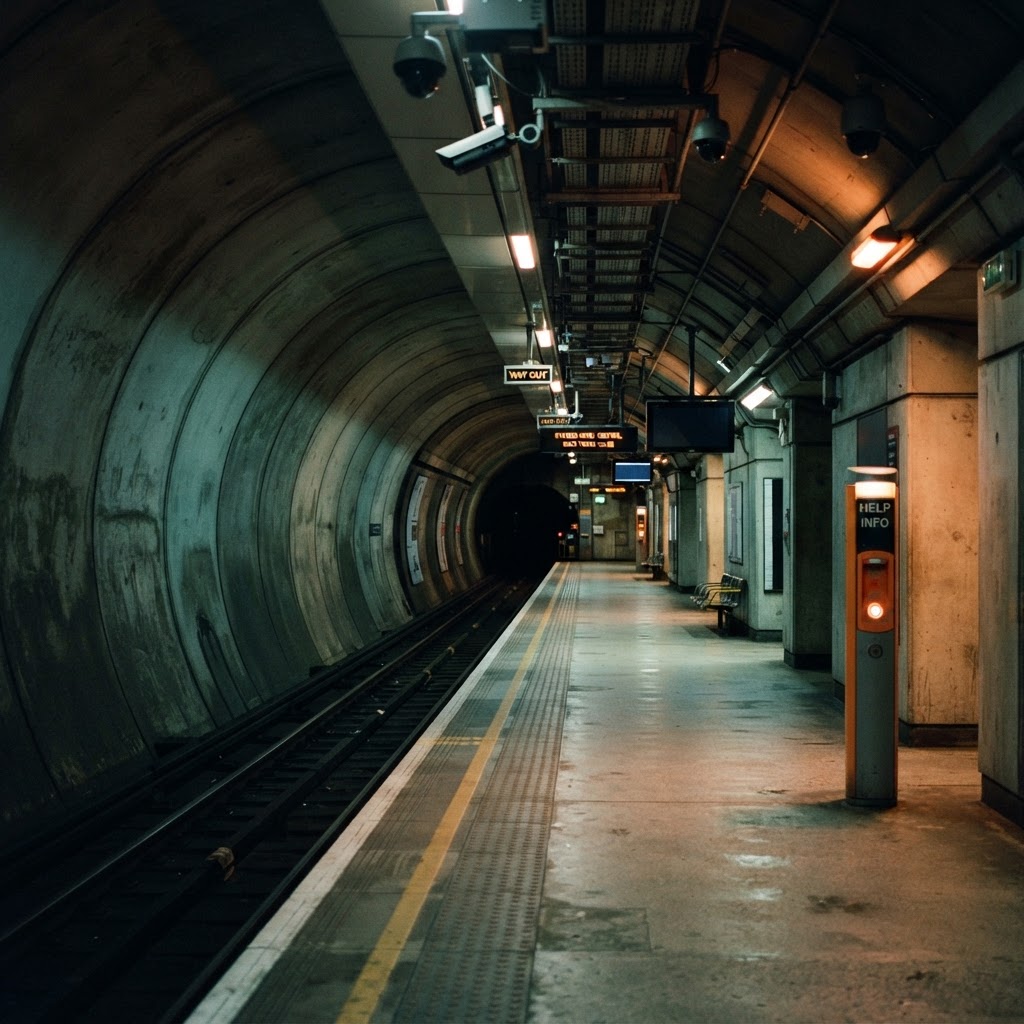
Making the Rail Network Safe
The City Rail Link opens on 13 September. The engineering is finished, but whether people use it after dark will be decided by visible, empowered presence on trains and in stations, not by cameras or opening-week theatre.
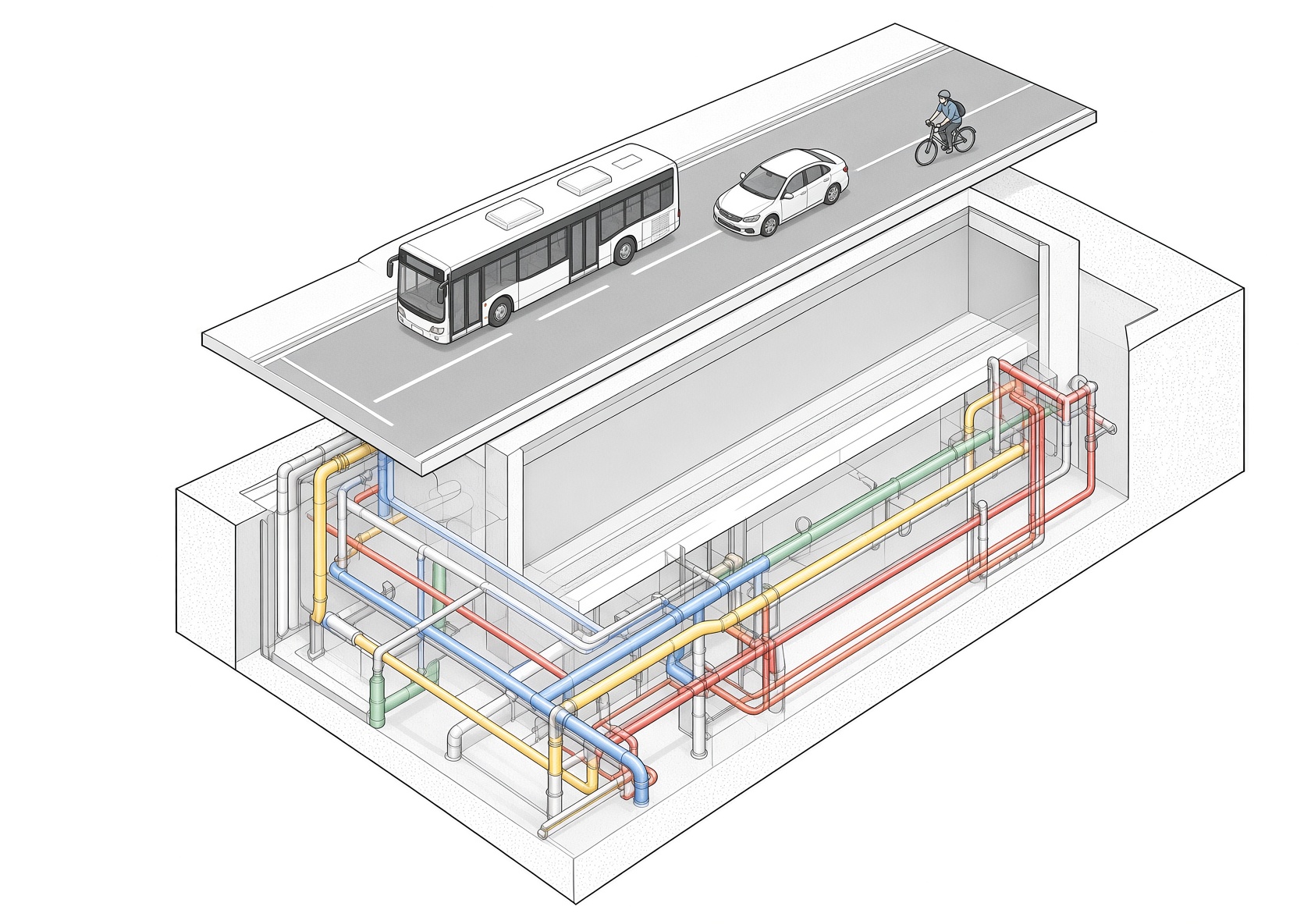
The Real Cost of Widening a Road: Why Multimodal Projects Cost Vastly More
Most people treat road widening as a surface exercise. In an existing urban corridor the surface is the cheap part. The expensive part is the dense, multi-owner utility network already occupying the road reserve, the legal obligation to keep the road functioning while you dig, and the extra width and performance standards demanded by multimodal design. Multimodal projects cost several times more than simple car lane addition for the same length of corridor.
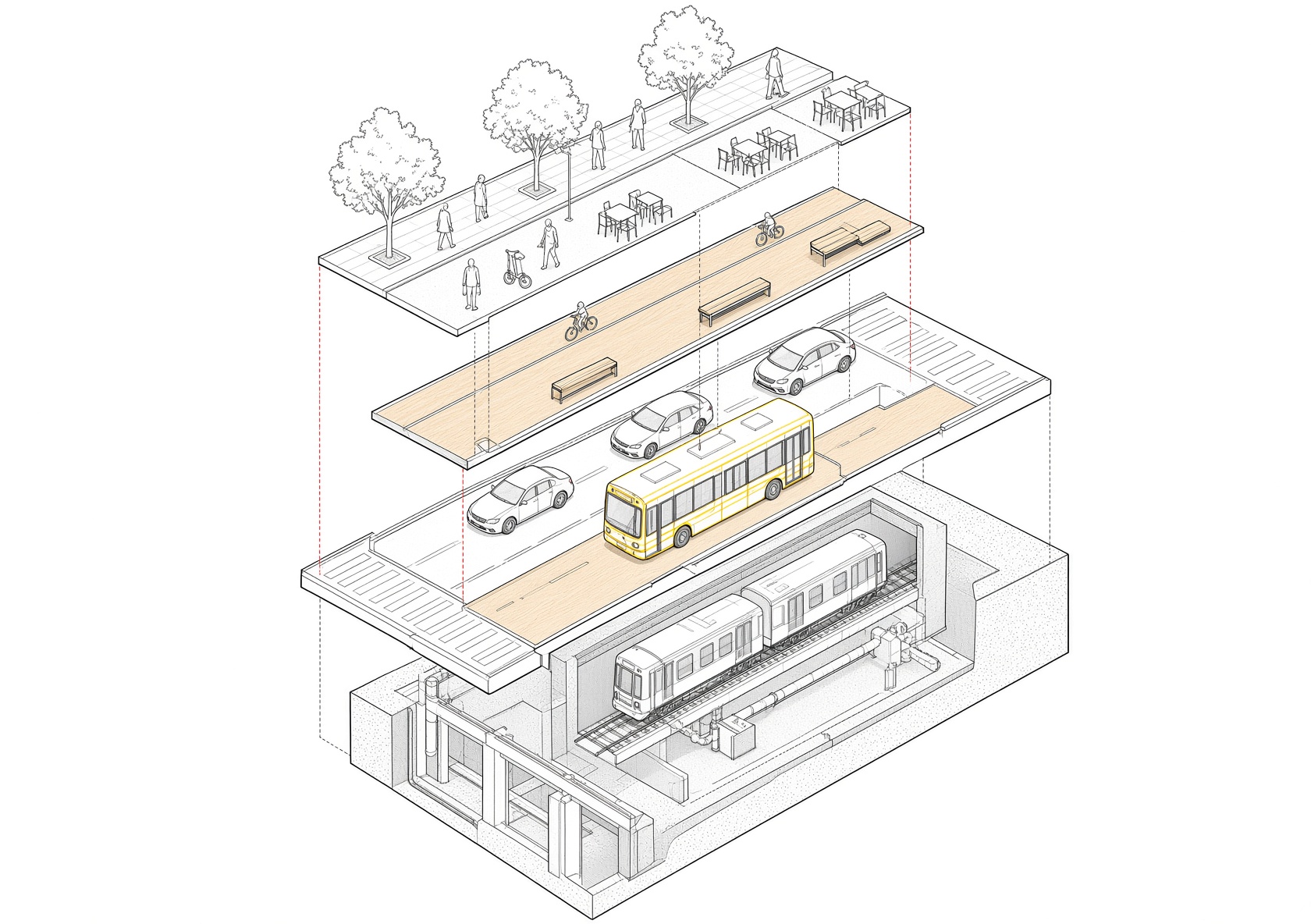
Gold-Plated Safety and Geometric Denial
How Auckland Transport repeatedly abandoned simple design for ideology — and made ratepayers pay for infrastructure that sometimes had to be dug up again.

The Structure Is the Problem
Auckland Council was never designed for transparency. The 2010 Super City amalgamation prioritised scale over democratic accountability — and the structure, not the people, is why information stays hidden.
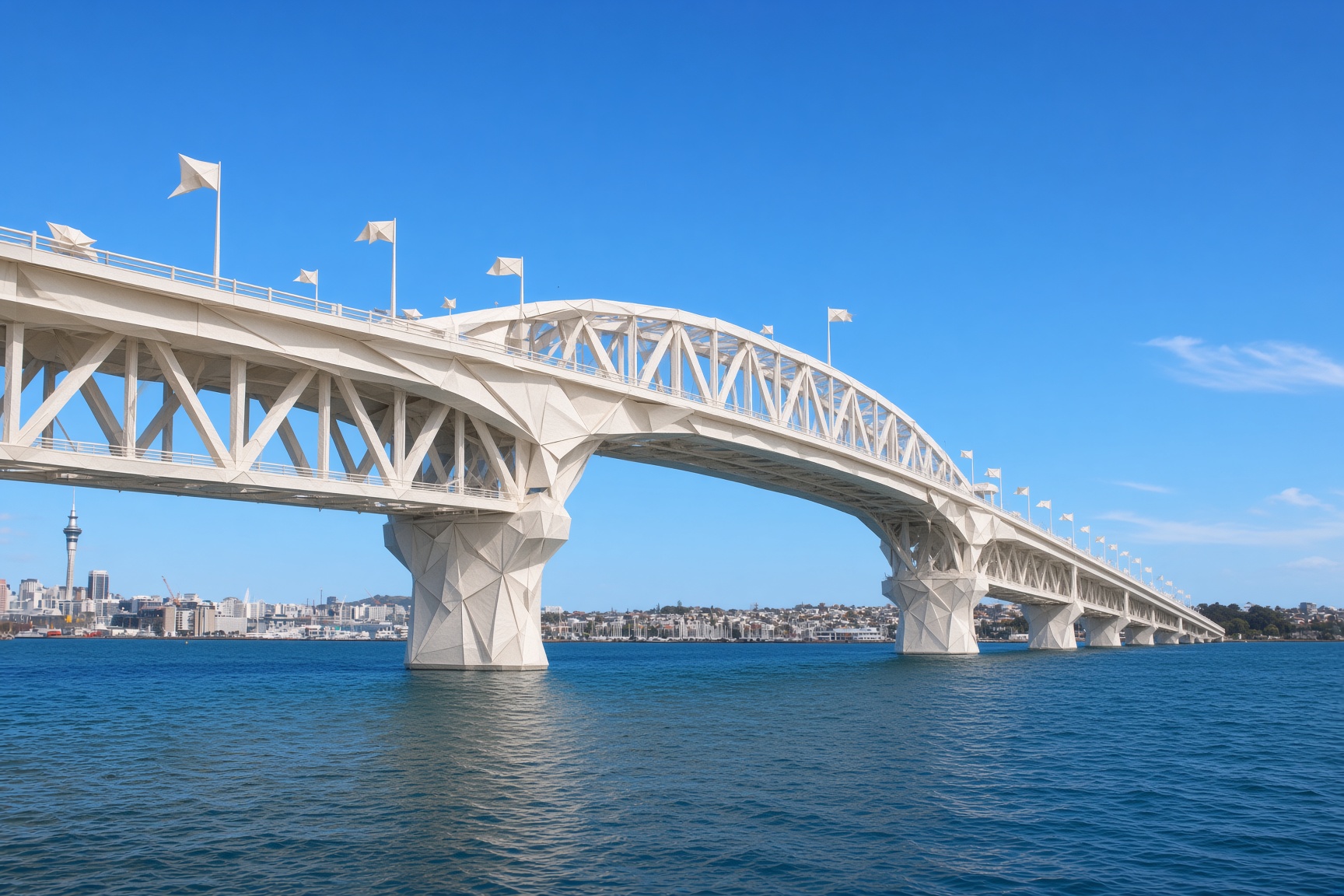
The Paper Crossing
Auckland has spent more than $106 million on consultants and contractors for a second Waitematā Harbour crossing and still has nothing to show but paper. Political games do not span water. They only print paper.
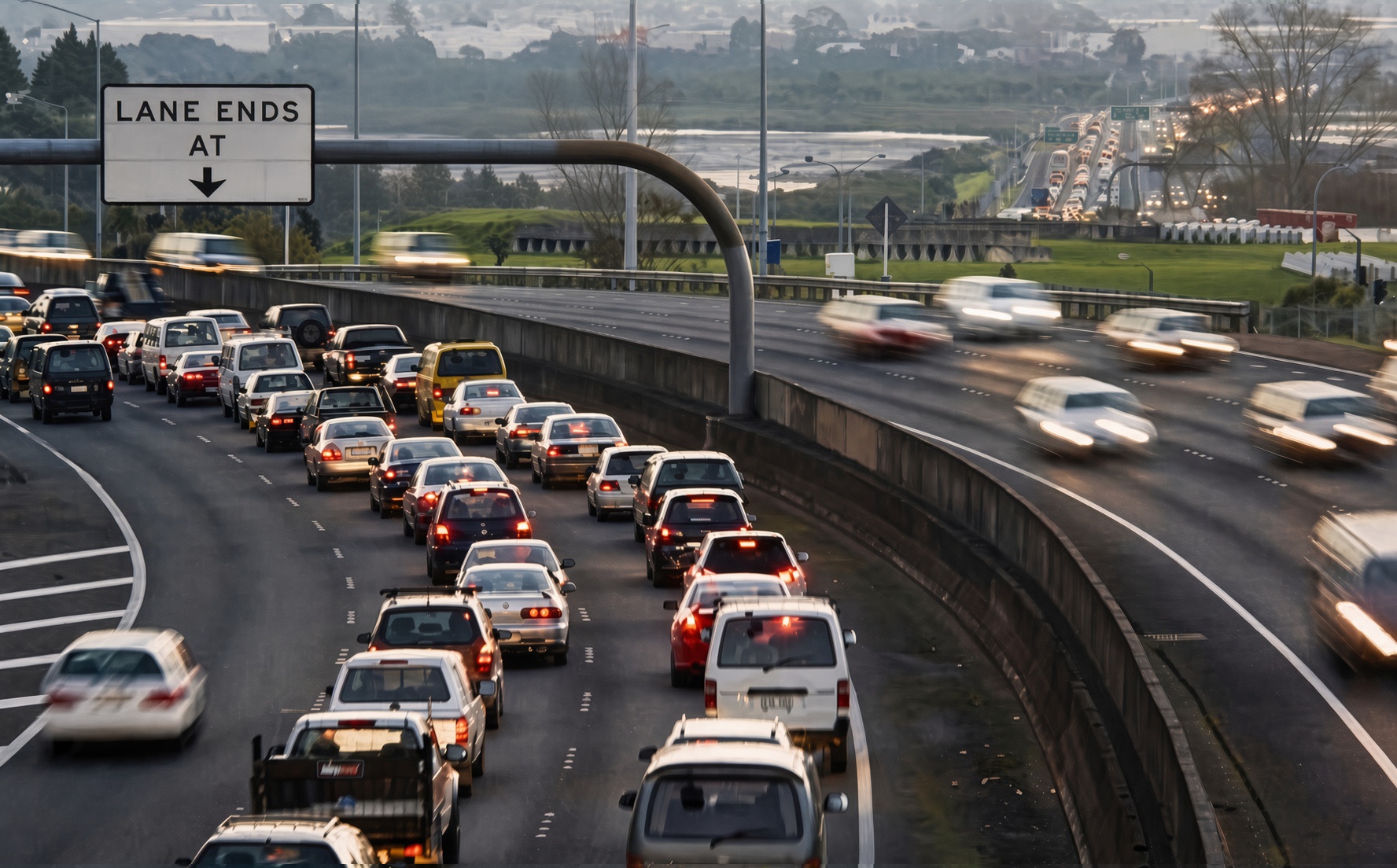
Auckland's New Transport Overlords: Accountability or Just a More Political Mess?
Auckland has killed the old Auckland Transport model and replaced it with the Auckland Regional Transport Committee, a Council delivery directorate, and a slimmed-down public-transport CCO. The architecture is cleaner. Whether the culture and the politics deliver better outcomes is the only question that matters.
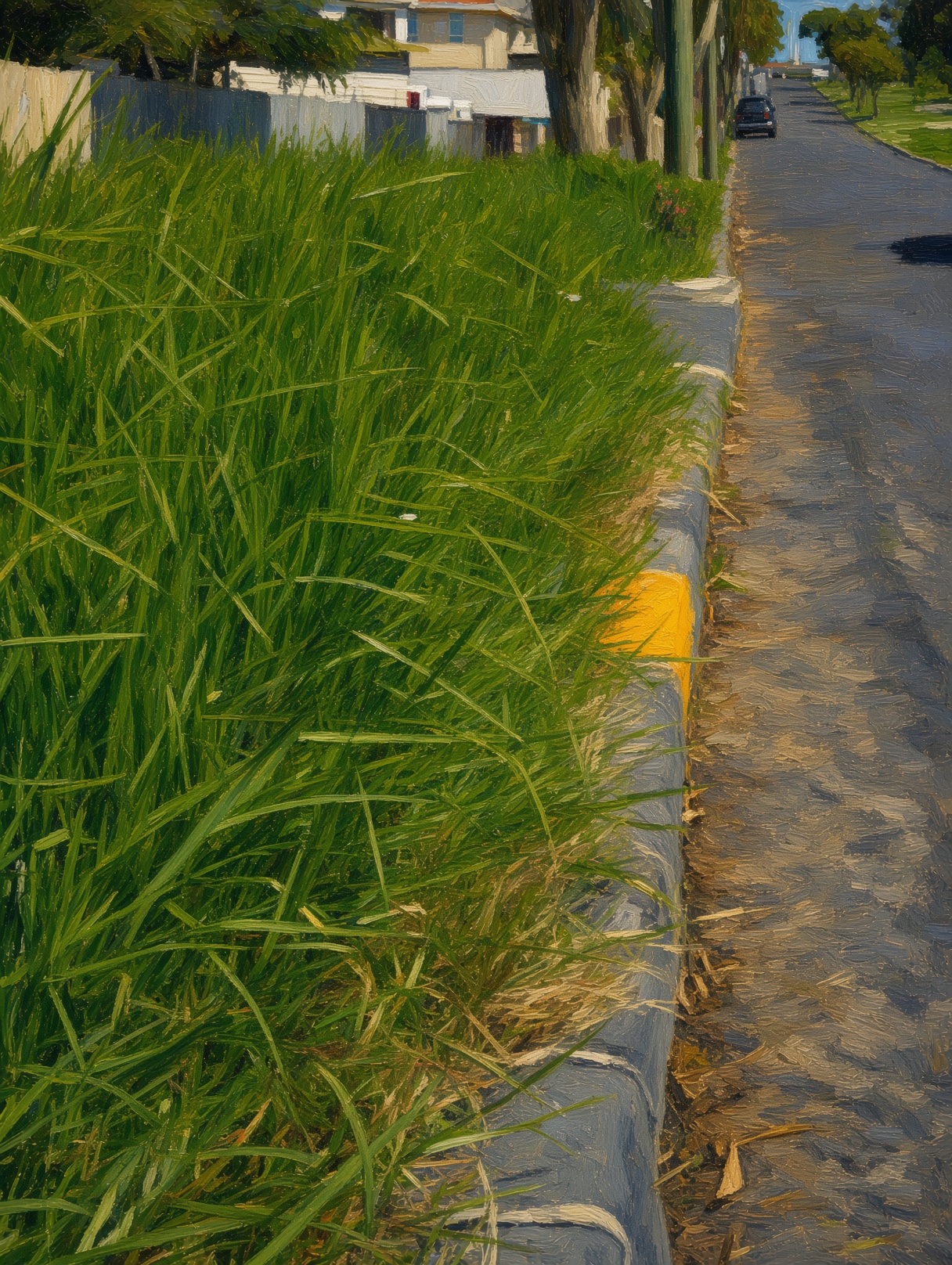
It started with the berms
The grass on the berms is growing longer. Rates are rising, debt is climbing, and local services are being trimmed at the edges. The triple pressure on ratepayers is real — and so is the discipline available inside the existing framework to contain it.
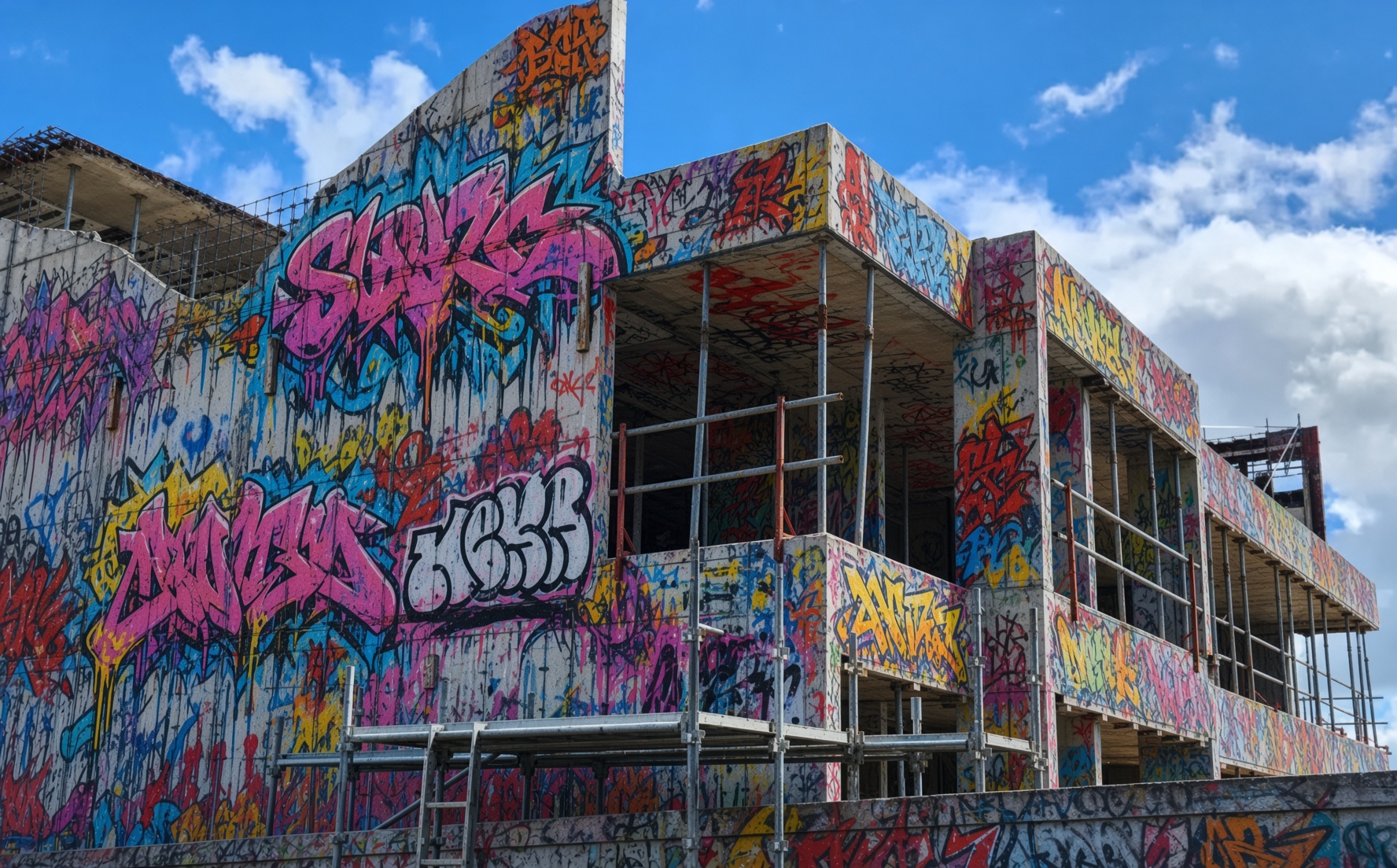
Why Auckland Cannot Deliver the Homes It Plans For – And the Path Out
Auckland's plans show capacity for 1.4–1.7 million dwellings, yet delivery lags far behind. The gap is not zoning alone — it is a system of interlocking constraints: planning friction, supply shortages, congestion, inspection fail rates, and political inconsistency. The path out treats housing delivery as a production process.
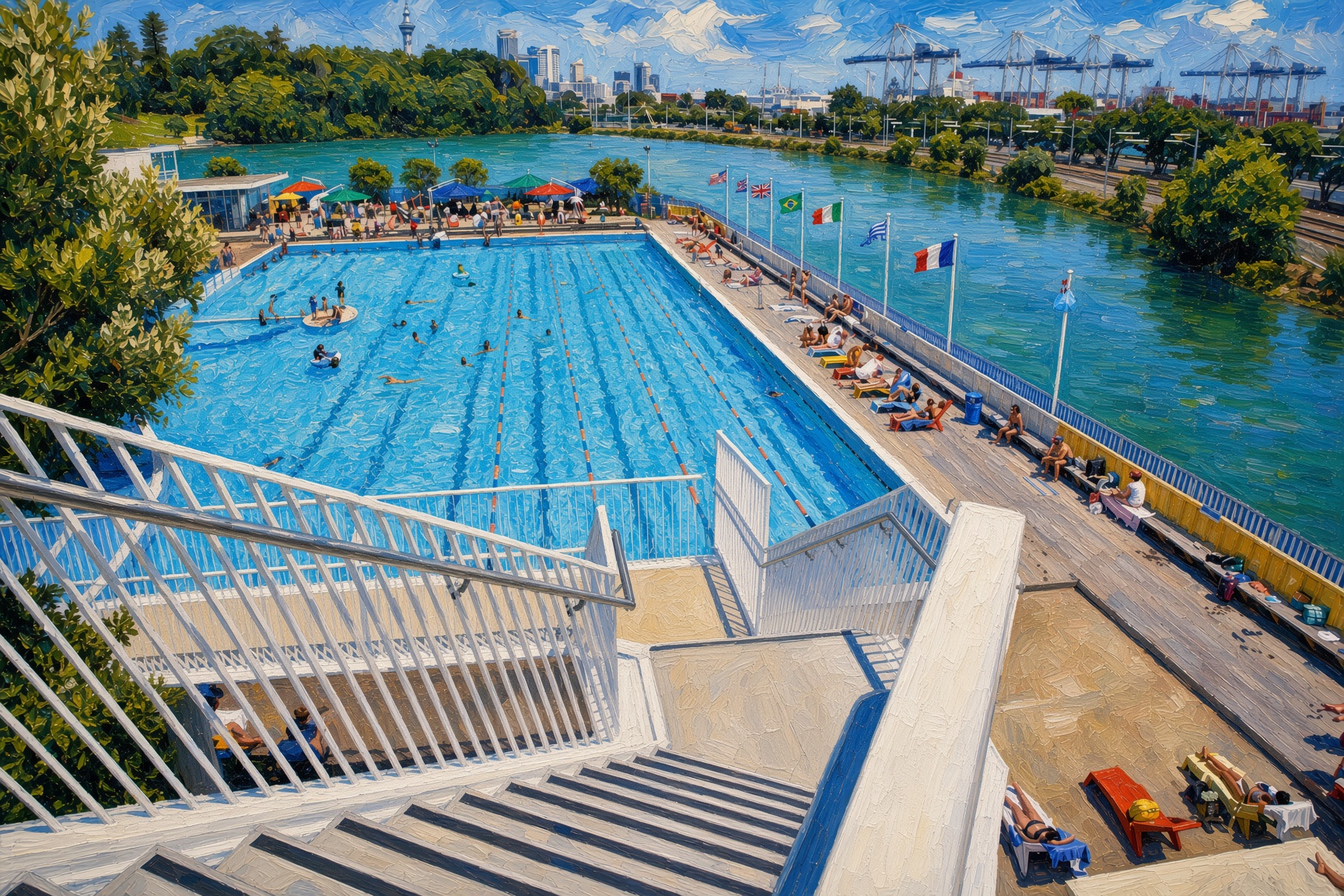
Profit Is Not the Enemy of Community. Stagnation Is.
Auckland treats surplus as morally suspect while accepting chronic under-delivery as noble. The result is slow processes, fragile organisations, and persistent network gaps. Profit, properly constrained, is a signal of value creation — not contamination.
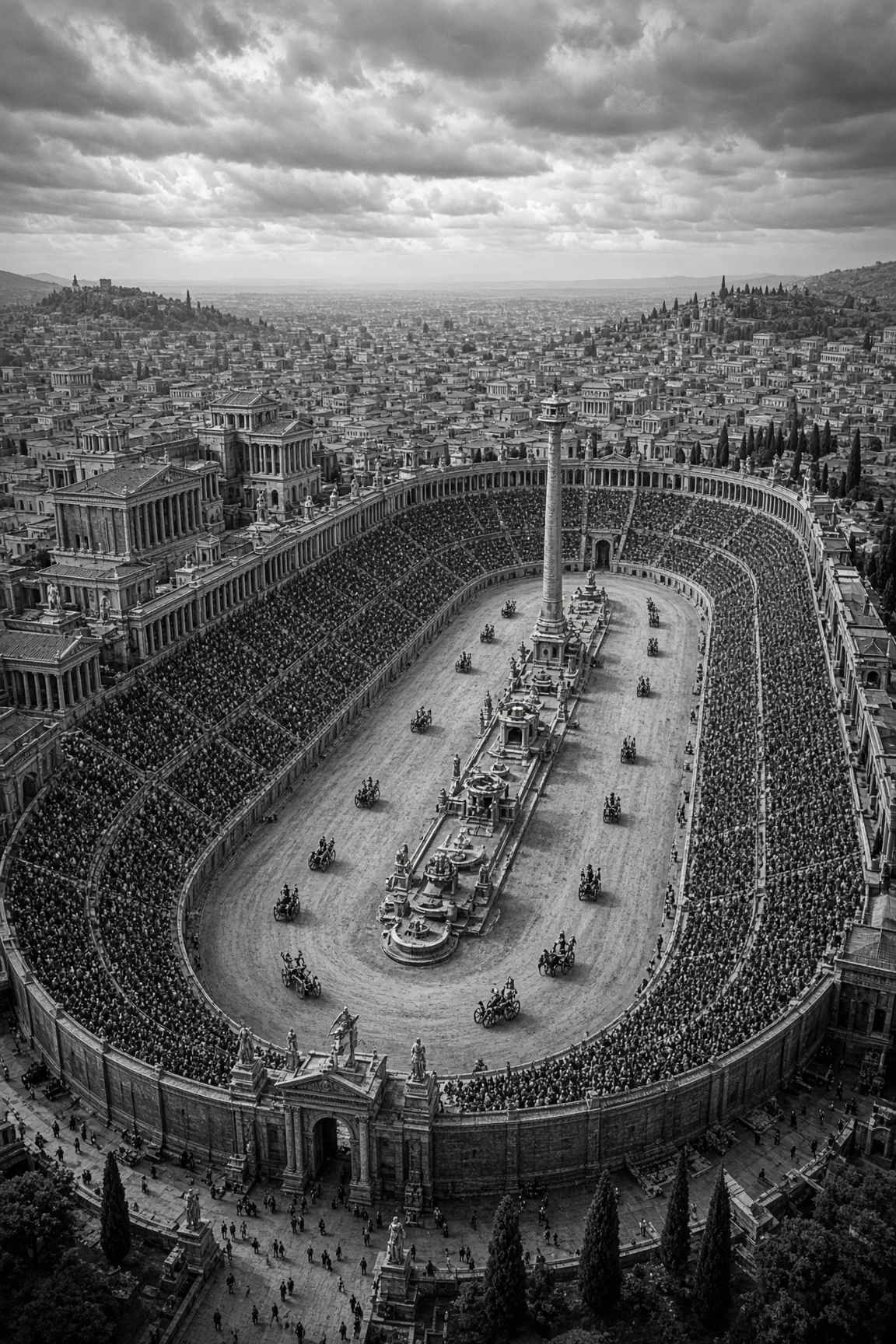
Bread and Circuses: Auckland’s Preferred Distraction
Auckland has perfected a modern version of panem et circenses — major events and waterfront spectacles occupy a privileged place in the official story of the city while the harder numbers on growth, employment and housing tell a different one. Fix the foundations first.
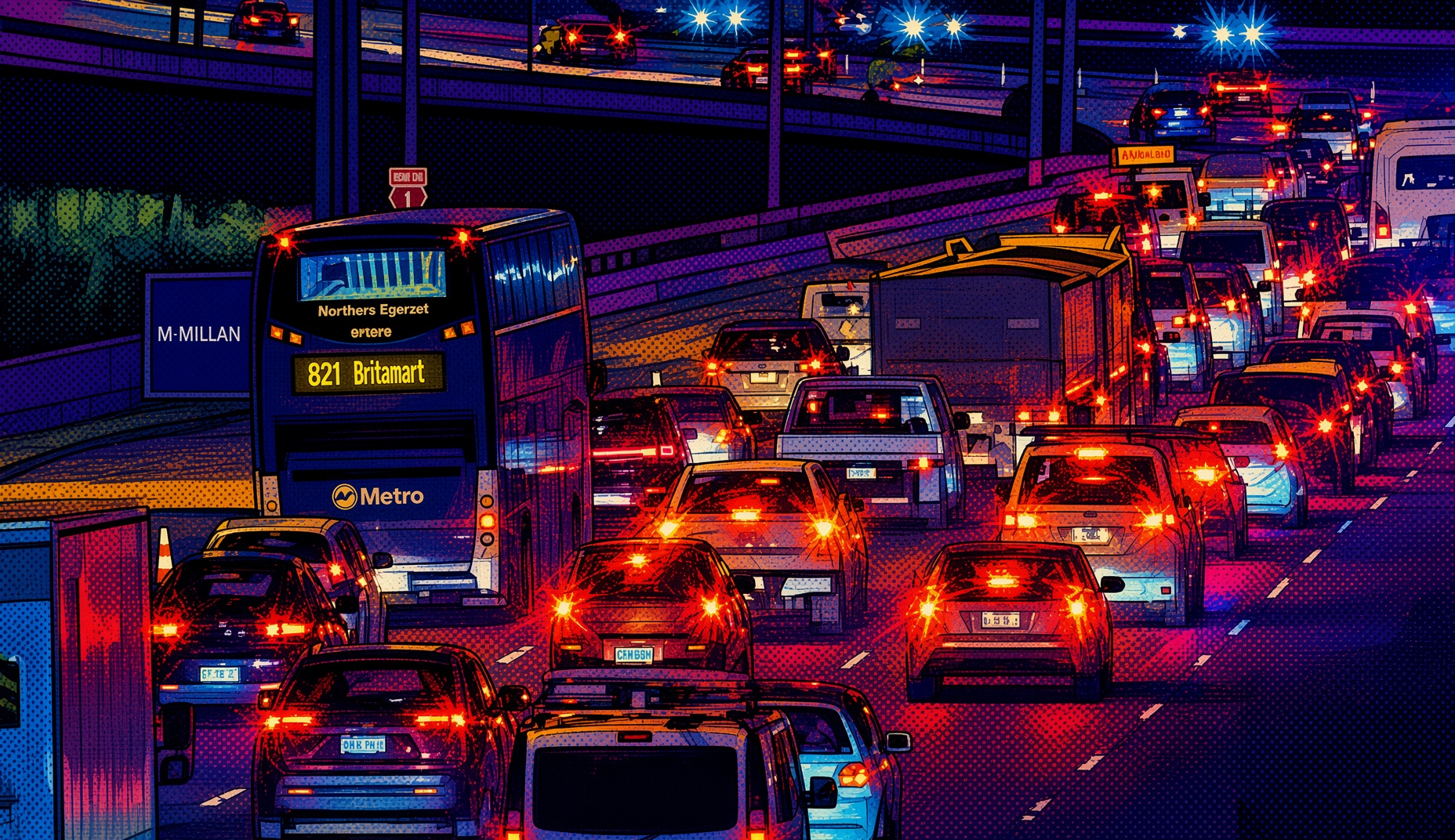
Rethinking the Connected City: Why Auckland's Current Path Creates Side Effects Instead of Solutions
Removing parking minimums, expanding bus priority, and targeting mode shift without realistic alternatives and proactive street management relocates problems rather than solving them.

Locked Out of Our Own Backyard
Under the Hauraki Gulf Marine Protection Act 2025, recreational fishing is banned in the new High Protection Areas — yet two of those same zones still allow limited commercial ring-netting. That is not protection; it is a political carve-out dressed up as conservation.

The Future of Parks and Reserves
Auckland's parks and reserves network looks impressive on paper, but the real trajectory is one of quiet erosion under intensification, uneven quality, and capacity shortfalls in the places that need space most.
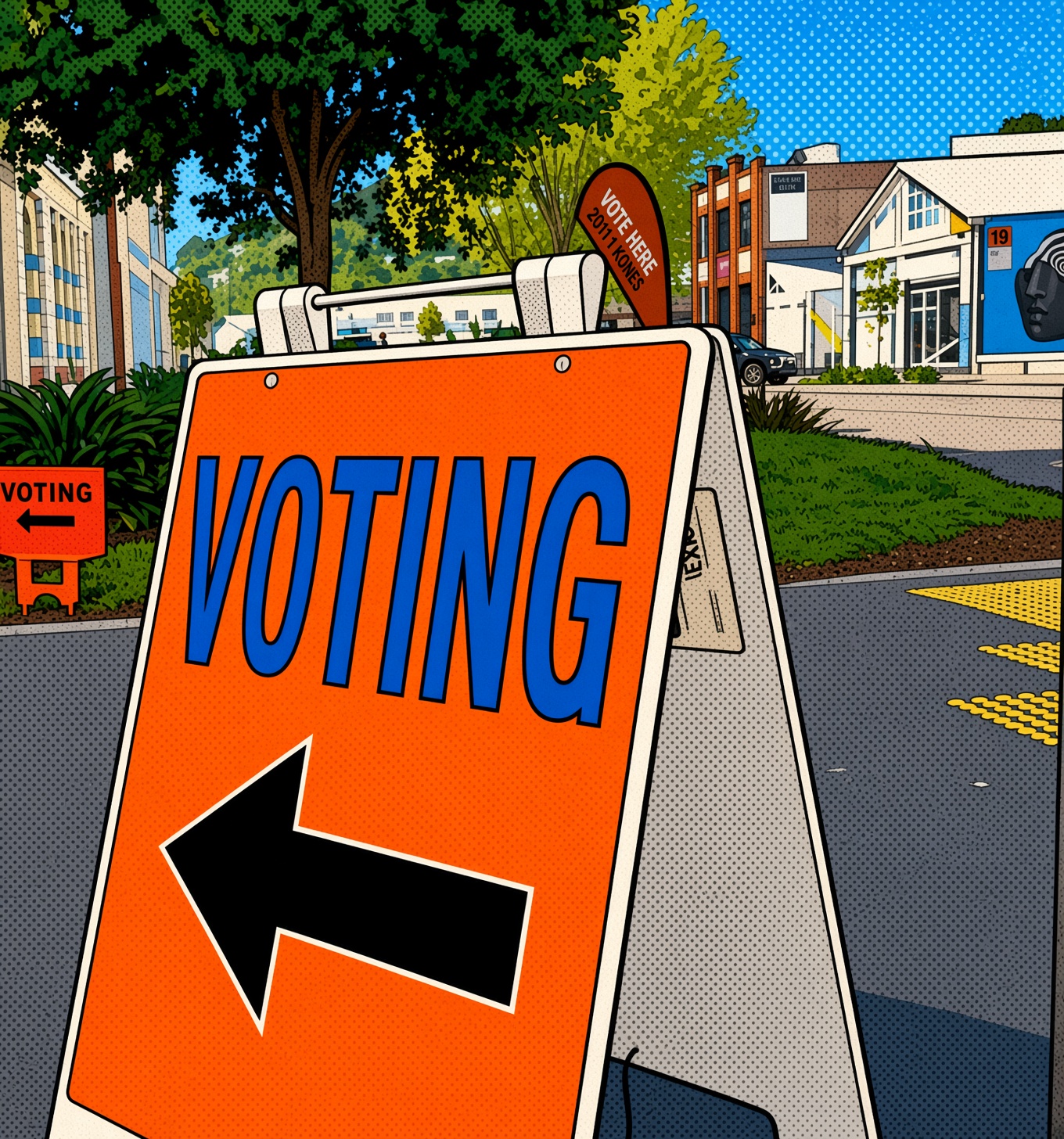
Auckland’s Local Democracy is Mostly Theatre
Auckland does not have meaningful local democracy where it counts. The local board structure is a carefully engineered consultation theatre that gives communities a voice while ensuring the decisions that actually shape the city remain driven by central government direction and mayoral or Governing Body priorities.

Auckland’s Port Delusion
Auckland has spent years treating its port like a political football. The recurring cry to “just move it”, most aggressively pushed in recent times by Mayor Wayne Brown in his pre-mayoral advocacy and early term demands for rapid relocation of car and container operations, is a classic example of short-term political theatre dressed up as vision.

Stop Looking in the Same Drawer
Most Auckland sports clubs and community groups leave money on the table because they keep opening the same two or three drawers. A systematic scan of the full funding landscape beats the usual narrow hunt.
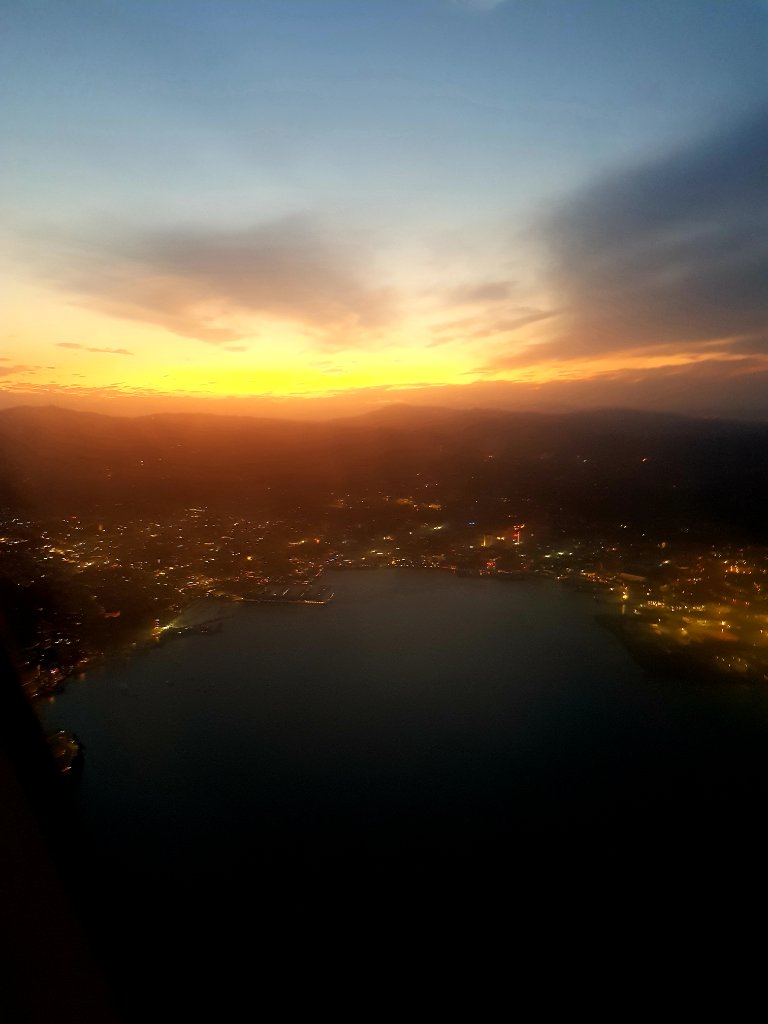
Our Long-Term Vision
CBA's formal combined submission to the Auckland Council Governing Body on the Long-term Plan 2027–2037 — rates, the business differential, project transparency, City Rail Link costs, the Avondale–Southdown corridor, housing intensification, sports infrastructure, local board funding, adaptive reuse, and residual waste management.
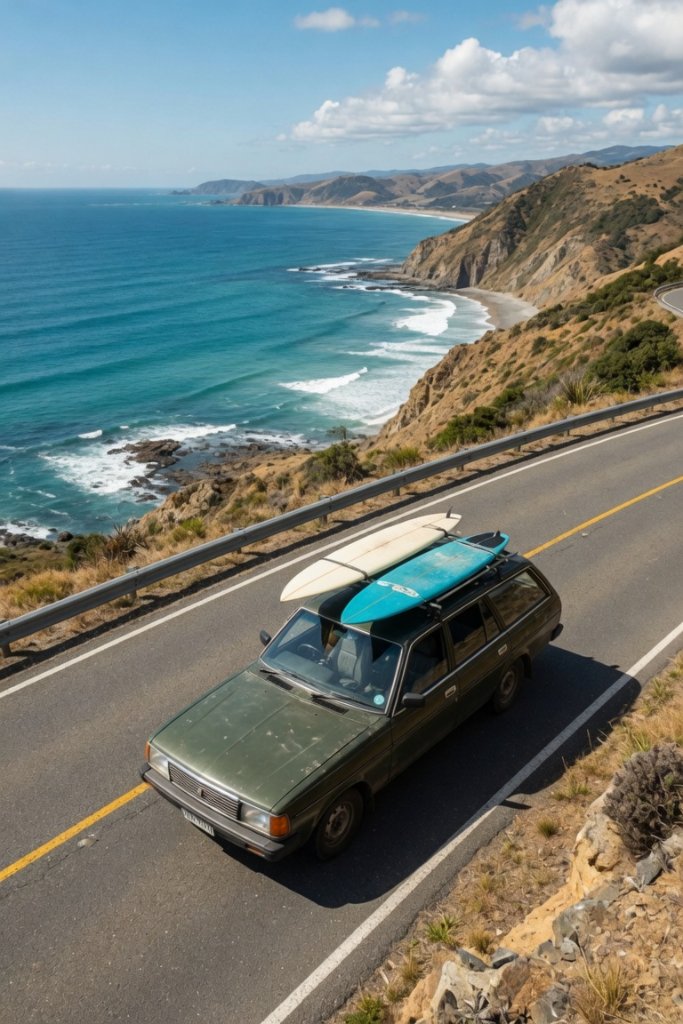
Will the push for public transport kill the Kiwi adventurer spirit?
The push for public transport is not designed to kill the Kiwi adventurer spirit, but the unintended consequence of removing parking and constraining access, while the alternative cannot yet carry the full load of the lifestyle it seeks to replace, is closing the room in which that spirit can operate.
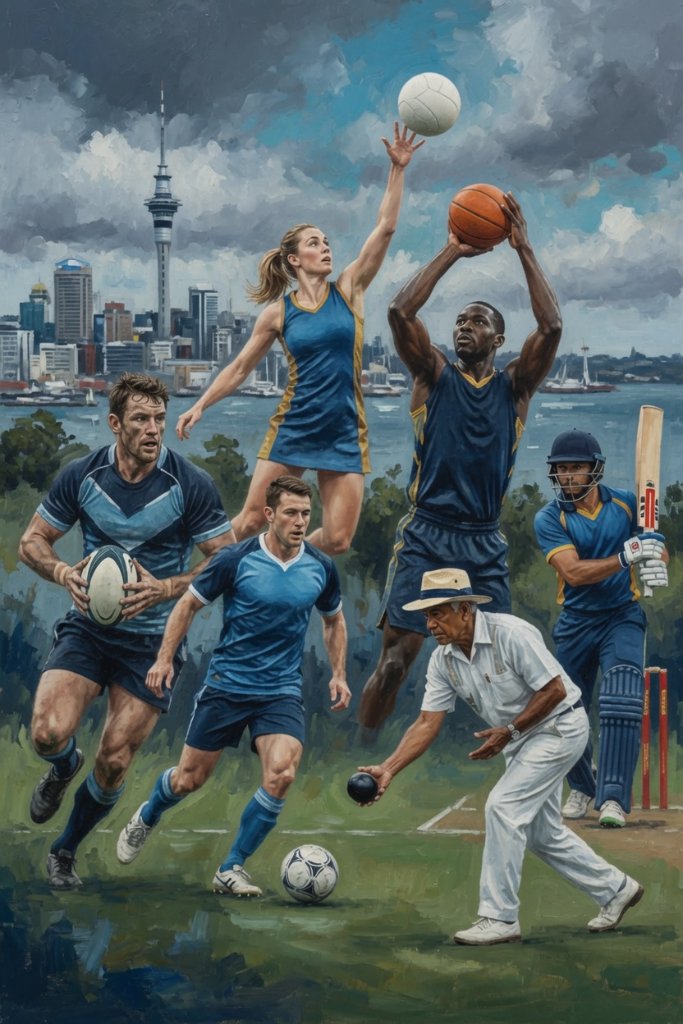
New Zealand's community sports clubs are running on a funding model that is quietly failing them
For decades community sport has rested on three unreliable pillars: Class 4 pokie grants, alcohol sponsorship and membership fees. The model is now in managed decline. The legal tools to treat community sport as public infrastructure already exist; the only missing ingredient is political will.
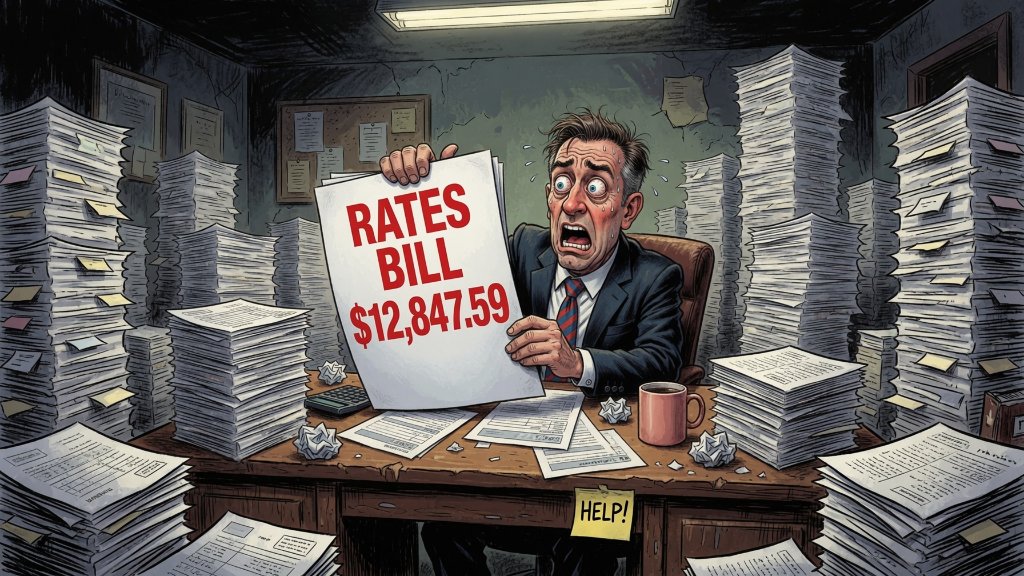
The Hidden Tax Hitting Every Aucklander
Business pays 31% of Auckland's rates but makes up only a fraction of properties. Under the business differential, urban commercial properties pay roughly 2.64 times the residential rate — a share deliberately locked in under Mayor Wayne Brown — and that cost is passed straight through to households as higher prices, rents and cost of living.
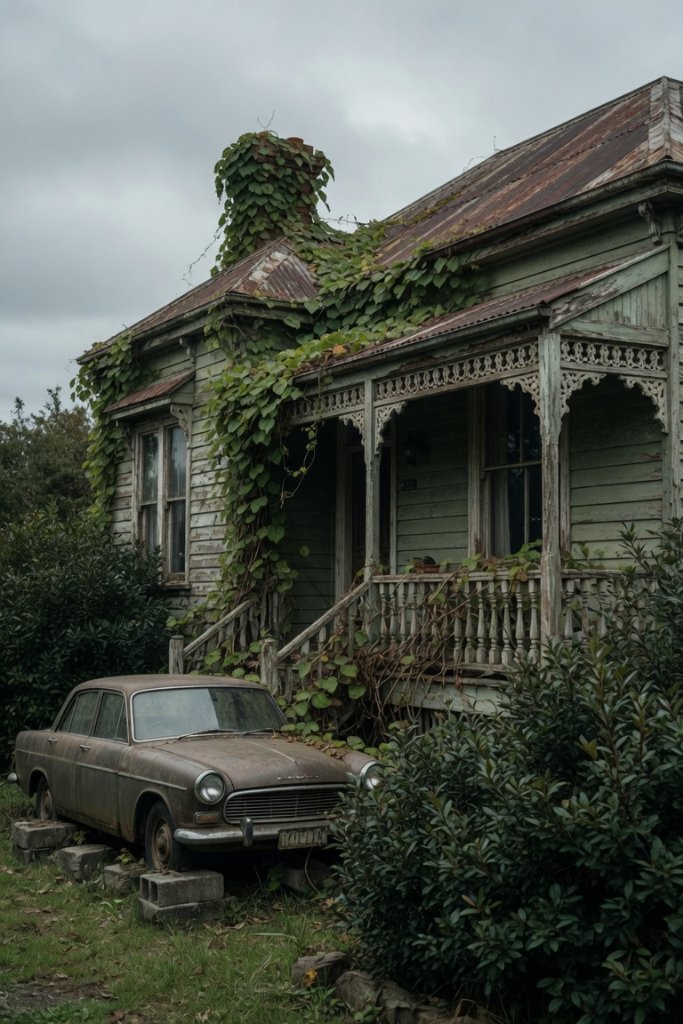
That Monster House Children Avoid on the Street
That monster house children avoid on the street looms empty with shattered glass, sagging fences and a garden gone wild that whispers danger to every passer-by. In Auckland the law still refuses to act on fear alone — the Property Maintenance and Nuisance Bylaw 2015 and the Building Act set a high bar before Council can move.
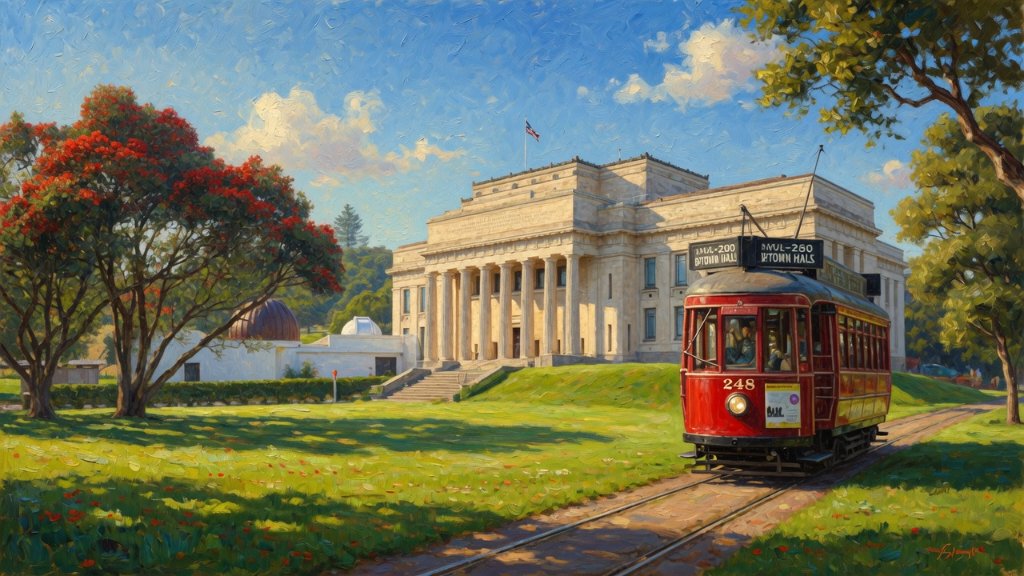
Collaboration Without Capture: Auckland Museum, MOTAT and the Fight for Creative Independence
The Arts, Social, Sports and Community Working Group's two-stage reform is pragmatic — but it must not erase the statutory independence that protects the distinct character of Auckland's museum and cultural institutions.

Wayne Brown: The Left-Wing Mayor in Right-Wing Clothing?
Wayne Brown sold Auckland a hard-edged conservative fixer. What the city got is high rates, progressive majorities, and urbanist policy — a pragmatic operator in right-wing clothing.
Proof of Parking in Auckland: A Possible Future Reality Under Current Intensification Settings
Auckland has no proof-of-parking rule. But zero parking minimums, the post-2013 permit ban, and Plan Change 120 are building the pressures that make stronger parking controls — including a national proof-of-parking requirement — a realistic future outcome.
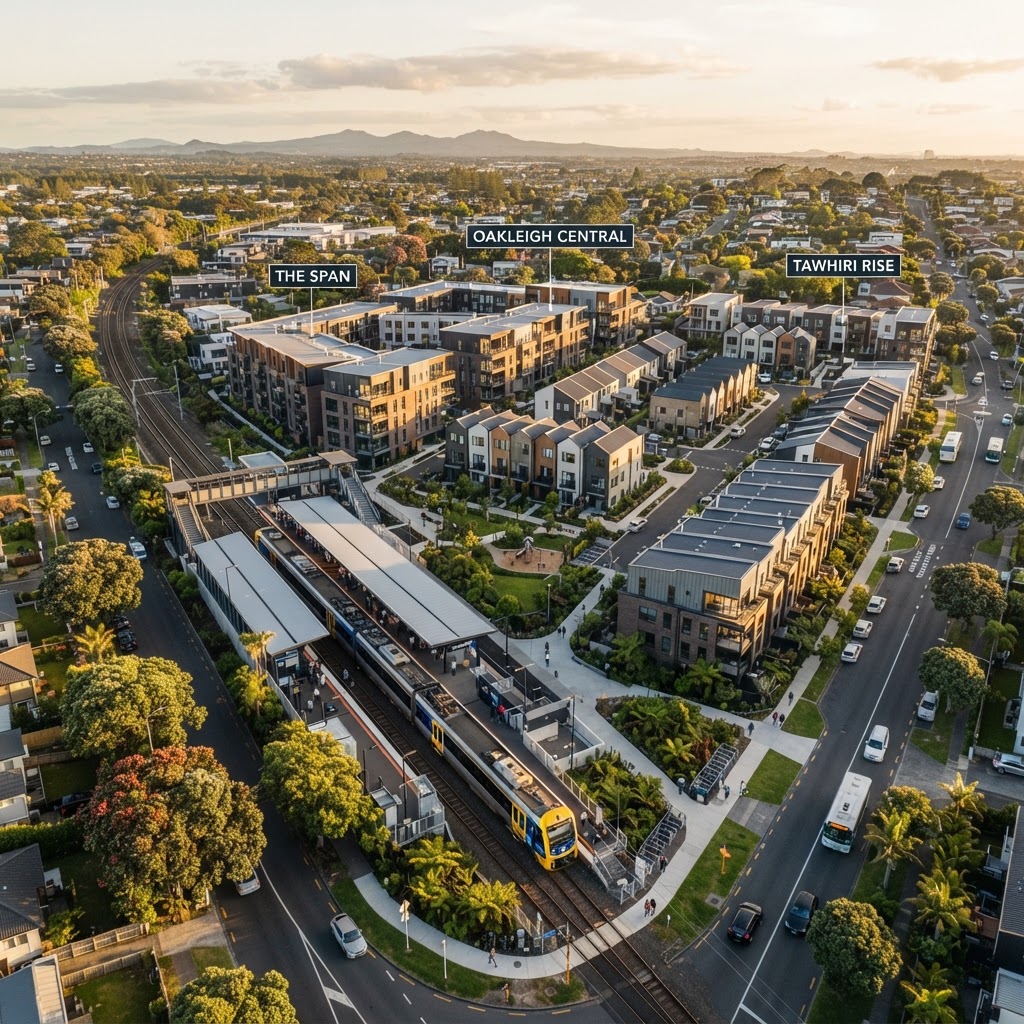
PC120 Unlocks Homes. Council's Delivery System Locks Them Out.
Plan Change 120 will enable a substantial increase in housing capacity across Auckland, but the Council's capital delivery system is not equipped for the speed or volume this will require.
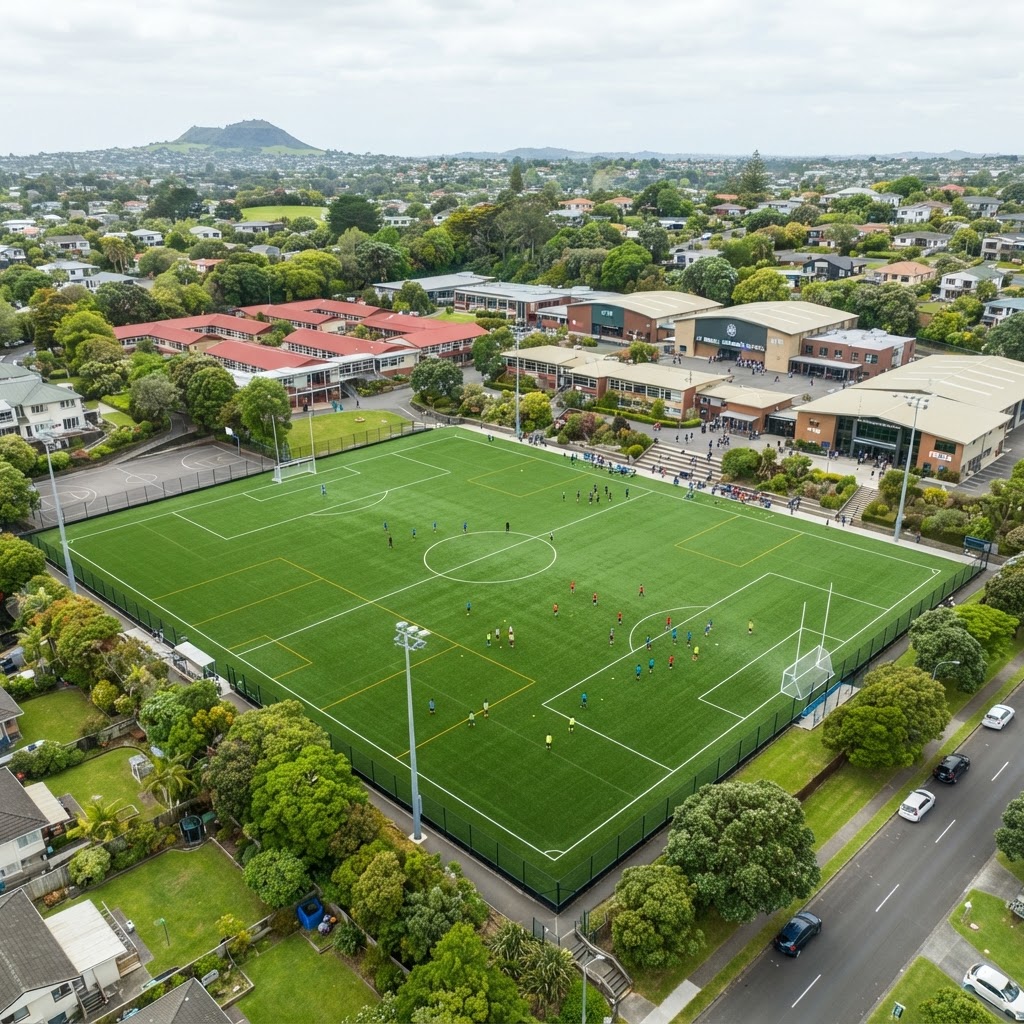
Stop Waiting for Council: Co-Funding Is Auckland's Only Realistic Path
Auckland Council's community facilities are routinely late and over budget. Co-funding through independent trusts — with private capital locked in early — is the realistic alternative.
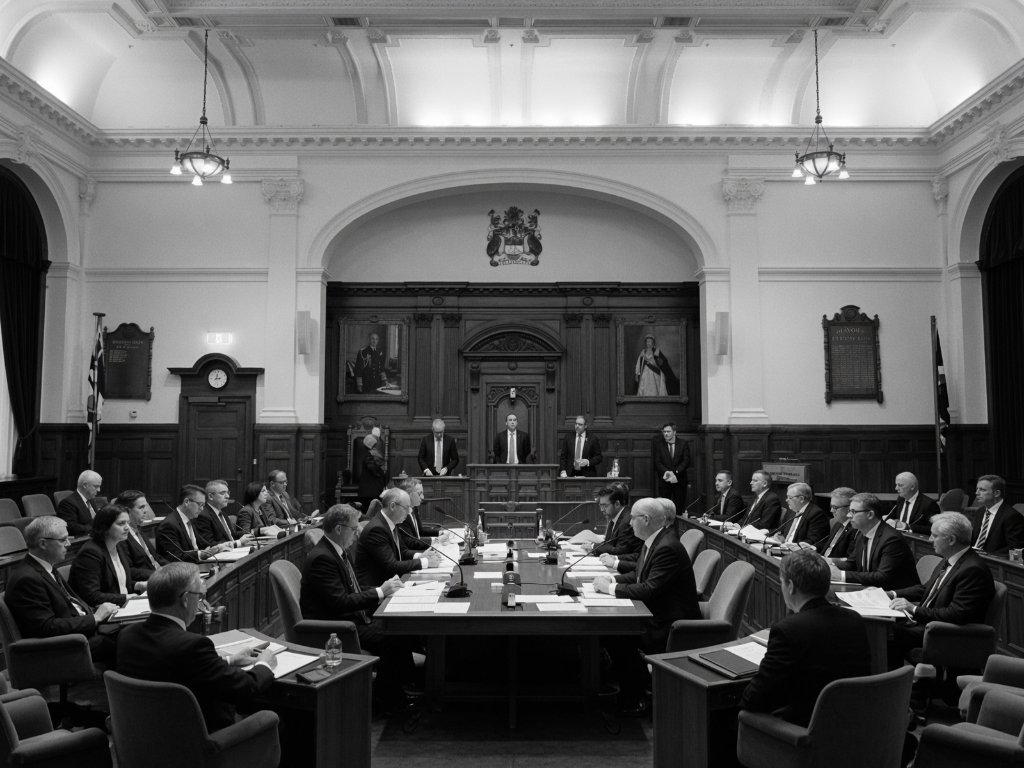
Mayor Wayne Brown’s Auckland Council: A Masterclass in Failed Decorum, Served With a Generous Side of Sarcasm
In the demanding world of local government, where Auckland grapples with housing pressures, strained infrastructure, ballooning rates, and the need for genuine community infrastructure like upgraded sports fields, decorum stands as far more than polite etiquette or outdated formality. It forms the essential foundation that allows elected officials to debate vigorously yet productively, maintain public confidence, and deliver tangible results for ratepayers. Yet under Mayor Wayne Brown, council proceedings have too often devolved into personal barbs, public shaming sessions, and crude asides that erode this foundation.
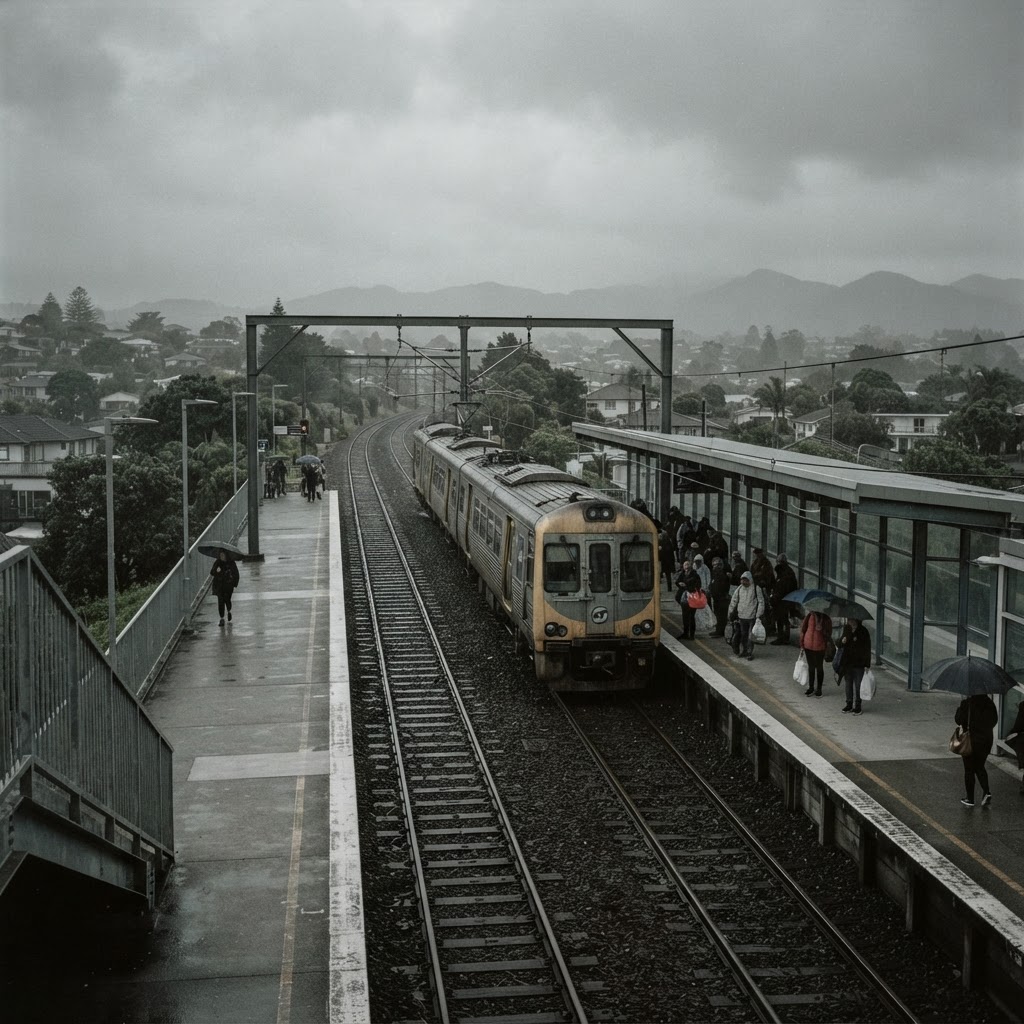
CRL Fails East, West Auckland and Onehunga: A Costly Short-changing of Ratepayers and 140 Years of Connectivity
A Costly Short-changing of Ratepayers and 140 Years of Connectivity

Should Auckland Council develop a multi-use approach to indoor sports facilities, making them flexible in their use?
Auckland faces a 73 court deficit (rising to 117 by 2038). Multi-use adaptable facilities are endorsed by Sport NZ and Recreation Aotearoa over single-sport venues.
What is the sustainable level of debt for Auckland Council?
Measured primarily by the net debt-to-revenue ratio. The council targets around 250%, with a policy ceiling of 290%, while holding strong AA/Aa2 credit ratings.
.png)
Pulse check on the level of communication between council and business.
A structured set of questions measuring how SMEs experience council communication — channels, response times, clarity, and recommended improvements.
.png)
Flooding in Auckland — is there a better solution?
International 'sponge city' approaches — Copenhagen's Cloudburst Plan, Rotterdam's water squares, Colombo's wetland defences — could complement Auckland's Making Space for Water programme.

What should be Auckland's top 10 priority transport infrastructure projects over the next 50 years (2026–2076), and why?
A structured question drawing on the Auckland Plan 2050, Future Connect and the Rapid Transit Pathway — focusing on rapid transit, rail, busways and crossings to support a projected population increase of 1+ million people.
What are the 10 key areas of investment in the next 50 years?
From the City Rail Link and rapid transit corridors to the Additional Harbour Crossing, ferry upgrades, and autonomous mobility — the building blocks of a 2.5M-person Auckland.
The second harbour crossing has been discussed since the previous bridge was constructed, with no clear way forward, only layers of consultancy. What should be the direction looking forward?
With NZTA's geotechnical investigations complete and a decision due by mid-2026, the options are a road-focused tunnel, an adjacent multi-modal bridge, or Mayor Wayne Brown's Meowa Reef alignment.
How important are sports clubs to the fabric of Auckland?
Sports clubs are community anchors — delivering proven returns in mental health, socialisation, volunteerism and cohesion for a city of 1.7M people from 200+ ethnic backgrounds.

What's the real social cost of Auckland's housing intensification push — are we sacrificing our playing fields, parks, and community open spaces in the name of more homes?
With 60–70% of future homes from intensification, backyards are shrinking and pressure on parks, sports fields and open space is mounting without matched investment.
.png)
Under the new Planning and Natural Environment Bills, how will Auckland maintain or increase its urban tree canopy cover — currently uneven and below targets in many areas — without stronger mechanisms to protect notable trees on private land?
The Urban Ngahere Strategy targets 30% canopy by 2050, yet South Auckland boards sit under 15% and 61% of canopy is on private land now harder to protect.
Is the Reserves Act 1977 holding back Auckland's reserve network from meeting growing demand — should we make it easier to add or upgrade facilities on public reserves?
Intensification is increasing visitation on ageing, overused reserves. Critics say the Act makes upgrades like floodlights, artificial turf and clubrooms slow and bureaucratic.
How much can Auckland Council push rates up each year before the burden on households and businesses becomes too heavy, and at what point do those increases start feeding a self-reinforcing cycle of higher inflation across the city?
For 2026/27 Auckland Council proposes a 7.9% rates rise — about $320 a year for the average household — driven largely by the $235m annual cost of the City Rail Link.

How do we control the spending on council construction projects? Should there be a cap on spending per square metre?
Council capital spend is ~$4bn in 2025/26. The Better Value Projects programme has already delivered $8m+ in savings — but should mandatory per-m² benchmarks follow?
Recently the government has proposed a plan to put 1.4 million more homes in Auckland. What do you think is a reasonable level of growth for the city?
Auckland sits at ~1.8M people and 550k–610k dwellings. A phased, investment-led intensification model — unlocking zones only as infrastructure comes online — offers the best path.
How does Auckland Council speed up the building process in Auckland?
AI-assisted processing, unified national digital portals, BIM digital twins, and remote inspections could shrink consent processing from 55 days to under 30.
How important is accessibility to parking to small to medium business?
Inadequate parking can deter up to 40% of potential visitors. For car-dependent suburban Auckland, convenient parking ranks among the top influences on SME performance.

Auckland Councillors Push Back Against Overreach: Defenders of Neighbourhood Character Secure Measured Approach to Housing Intensification
In the Auckland Council Policy, Planning and Development Committee meeting on June 9, 2026, a group of councillors successfully resisted calls for more aggressive upzoning under Plan Change 120, deciding to consult local boards and iwi on both Scenario A and Scenario B — emphasising a balanced approach prioritising liveable suburbs, parks, tree canopy, and parking access alongside targeted housing growth.

Windmill Road Funding Declined: Albert-Eden Local Board's Double Standards Exposed
The Albert-Eden Local Board turned down a practical upgrade to covered courts at the Windmill Road netball courts in Mt Eden despite 83 percent community support, while approving substantial spending on other priorities — raising questions about whether community sports needs are being fairly weighed.

Auckland's Local Board "Spend It or Lose It" Funding Model Is Wasteful, Short-Termist, and Structurally Broken
Auckland's 21 local boards control meaningful pots of ratepayer money for parks, community facilities, events, and small-scale capital works. Yet the system forces most of that funding into a rigid annual cycle with no reliable mechanism to carry unspent allocations into future years — the classic "use it or lose it" trap dressed up as fiscal discipline.

The Vanishing City Forest: Unintended Consequences of Auckland's Housing Intensification
Auckland's overall tree canopy cover sits at about 18 percent — already lower than many comparable cities. When a typical suburban section gets redeveloped for more dwellings, mature trees often get cleared to make room for bigger building footprints. A young sapling does not replace a mature tree for decades.

Budget Creep Exposed: How Auckland Council's Contracts and Commercial Secrecy Hide Who Approves the Blowouts
In the Point Chevalier library project, Auckland Council upgraded the contractual arrangements to a medium construction design-and-construct form governed by NZS 3916 and appointed an Engineer to the Contract to administer it. This standard provides a structured yet flexible framework for managing changes during delivery — but it also creates a division of authority that contributes to the very ambiguity around budget expansions that has surfaced.

Updated Council Scorecard Overview (Budget Focus)
A Budget & Finance Special examining the last three months (March–May 2026) for the 2025–2028 term — isolating the critical lens for fiscal restraint, rates moderation, and opposition to wasteful spending amid the pressures of unsustainable growth under Plan Change 120.

Unlocking Auckland's Potential: Reforming the Local Government Act for Cities of Scale
Auckland stands as New Zealand's economic engine, yet its governance framework increasingly constrains its potential. The Local Government Act 2002 was designed with broad powers of general competence, but its uniform approach now hampers the very growth it should enable. Targeted amendments for Auckland represent a necessary evolution to address scale-specific challenges.

PC120: Auckland's Housing Push Risks Turning Our City Into a Crowded, Gridlocked Trap — Time to Demand Proper Answers
Auckland desperately needs more homes, and no one disputes that. But Plan Change 120 (PC120), the council's big intensification plan notified in November 2025, is shaping up as a risky numbers game rather than smart planning — aiming to enable around 1.4 million new dwellings by concentrating growth around train stations, town centres, and busy bus routes.
Weekly Community Digest, 10 September 2026 - 17 September 2026
Automated summary of 0 community comments from 10 September 2026 - 17 September 2026.
The Wairaki Stream project at Lynfield Cove
Auckland Council is funding design and consent work to daylight about 120 metres of buried Wairaki Stream at Lynfield Cove, on the Manukau Harbour. The $509,000 Puketāpapa Local Board package covers the consent application, planting and pest work upstream. Construction is a later capital decision.
Wellington is rewriting how New Zealand decides what can be built
A sample National Policy Direction from the Ministry is open for feedback until 16 October. It is not law, but it shows how Wellington wants to set national priorities once two new Acts replace the RMA. Auckland is already living inside that rewrite.
Don't try to make a happy child happier
Auckland Council should set the environment for community — parks, halls, libraries, pools, simple hire — and stop midwifing belonging with contestable grants. Option B for the Long-term Plan 2027–37.
Urban Canopy and Heat Resilience Policy Framework
Draft committee framework: treat remaining mature canopy as climate infrastructure under current RMA limits — protect public trees, bind consent titles, incentivise private retention, and cool with surfaces where trees will not arrive in time.
Weekly Community Digest, 3 September 2026 - 10 September 2026
Automated summary of 0 community comments from 3 September 2026 - 10 September 2026.
Auckland rates explained: what's in your bill and what it funds
Your Auckland rates bill is not one number. It is a Uniform Annual General Charge, a capital-value general rate, and targeted rates for specific services — and the 2026/27 average residential rise of 7.9% sits on top of that structure.
MOTAT stronger model — conditions for in-principle VFMC support
Written statement to Auckland Council’s Value for Money Committee on Item 8.1: support in principle for a stronger MOTAT model, but only if ring-fencing, Act-aligned KPIs, published finances, no silent Option 2 takeover, and real consultation are written into the resolution — not left to a later plan.
Auckland Transport's name has changed. The playbook hasn't.
A new nameplate does not delete a template. The transport governance law moved the sign on the door; it did not move the method that runs the street.
A Targeted Rate to Fund Amateur and Community Sport in Tāmaki Makaurau
A ratepayer submission asking Council to develop and consult on a region-wide Amateur and Community Sport Targeted Rate, replacing declining Class 4 gambling and alcohol sponsorship with a lawful, hypothecated, high-return instrument before the rates lid and the sinking lid close the window.
Weekly Community Digest, 27 August 2026 - 3 September 2026
Automated summary of 0 community comments from 27 August 2026 - 3 September 2026.
Weekly Community Digest, 20 August 2026 - 27 August 2026
Automated summary of 0 community comments from 20 August 2026 - 27 August 2026.
If You're Hell Bent on Charging Us, Make Sure You Provide Better Alternatives
Auckland's congestion costs $2.6 billion a year. Time-of-use charging is the right economic response in principle — but only if the alternatives are built first and the revenue is hypothecated with teeth. Otherwise it's just a selective mobility tax.
Weekly Community Digest — 13 August 2026 – 20 August 2026
Automated summary of 0 community comments from 13 August 2026 – 20 August 2026.
Rates Target Model – Risk of Further Shifting the Burden onto Auckland Business Ratepayers
Formal letter to Hon Simon Watts, Minister of Local Government, warning that the proposed rates target model risks further shifting the rates burden onto Auckland's business sector unless differential-driven burden-shifting is explicitly constrained.
What is the measurable rates burden on Auckland's business sector following the 2024 discontinuation of the Long-term Differential Strategy?
Evidence brief examining the measurable rates burden on Auckland's business sector after the 2024 discontinuation of the Long-term Differential Strategy — business rates growth, SME impact, and regional competitiveness.
Objection — Better Journeys on Green Lane West (pending analysis of AT data)
Formal objection to Better Journeys on Green Lane West (21 September 2026), Aimsun follow-up, and 29 September challenge to AT's partial LGOIMA decision (CAS-1411140-H3N0H3): only a July 2024 weekday parking survey was released; event-day, displacement and mitigation refused as not held. Fresh decision and s 12 transfer to Council sought by 13 October. Awaiting AT decision.
Weekly Community Digest — 6 August 2026 – 13 August 2026
Automated summary of 0 community comments from 6 August 2026 – 13 August 2026.
Weekly Community Digest — 30 July 2026 – 6 August 2026
Automated summary of 0 community comments from 30 July 2026 – 6 August 2026.
Total general rates revenue from business-rated properties.
Business Rating Policy
Weekly Community Digest — 23 July 2026 – 30 July 2026
Automated summary of 0 community comments from 23 July 2026 – 30 July 2026.
Weekly Community Digest — 16 July 2026 – 23 July 2026
Automated summary of 0 community comments from 16 July 2026 – 23 July 2026.
Safeguarding Creative, Cultural & Memorial Autonomy
Support for Financial Efficiencies in MOTAT-Tātaki Auckland Unlimited Integration – Safeguarding Creative, Cultural & Memorial Autonomy
Weekly Community Digest — 9 July 2026 – 16 July 2026
Automated summary of 0 community comments from 9 July 2026 – 16 July 2026.
Three Waters reform — local accountability safeguards
Formal submission to Auckland Council opposing full asset divestment and requiring retained local accountability over Three Waters infrastructure.
Car Park returned to Local Business
Active transport funding floor — 12% of the transport budget
Advocating for a legislated 12% funding floor for walking, cycling, and micro-mobility within the Auckland transport budget.