PC120 Unlocks Homes. Council's Delivery System Locks Them Out.
Plan Change 120 will enable up to 1.7 million homes. But Auckland Council's capital delivery system takes six to ten years per project — far slower than zoning allows. Intensification without concurrent infrastructure is deferred failure.
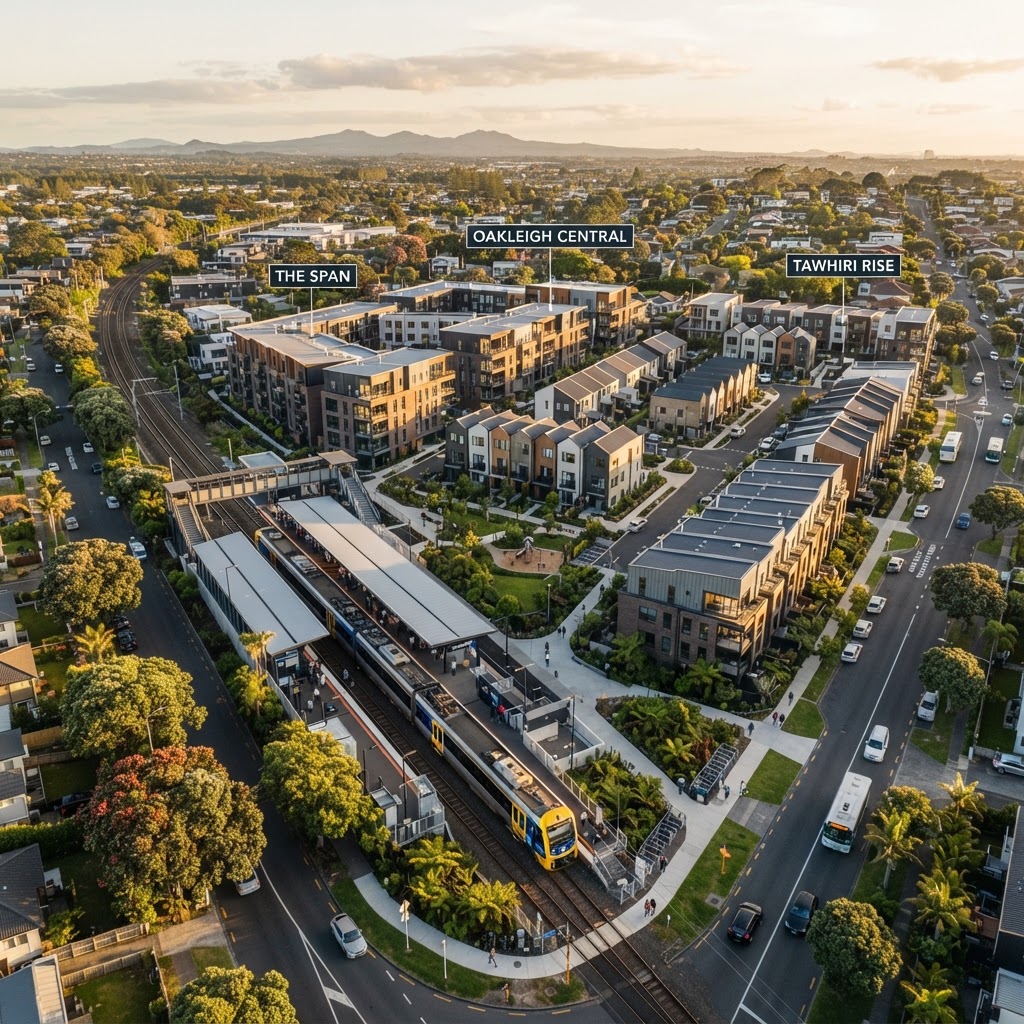
Plan Change 120 will enable a substantial increase in housing capacity across Auckland. Under the reduced government requirement set in April 2026, the minimum target sits at approximately 1.4 million plan-enabled homes. Option B scenarios reach up to 1.7 million. The plan focuses intensification around rapid transit stations, metropolitan centres and frequent bus corridors while tightening controls on natural hazard areas.
A planning decision, not a delivery decision
That is the straightforward part. Zoning is a planning decision. Delivering the pipes, roads, stormwater systems, community facilities and transport capacity that make those homes liveable is a capital works problem. Auckland Council's current system is not equipped for the speed or volume this will require.
From conception to practical completion, a typical Council capital project takes six to ten years. Community facilities have carried an internal working assumption of around seven years. Smaller renewals move faster. Anything complex or contested stretches longer. The process runs through Asset Management Plans, Long Term Plan prioritisation, business cases, multi-stage design, resource and building consents, procurement under NZS 3910 or 3916 contracts, construction and handover. There is no statutory deadline once funding is allocated. Political re-prioritisation every three years, consenting delays, optimistic early cost estimates and limited delivery capacity all slow the machine further.
PC120 widens the gap
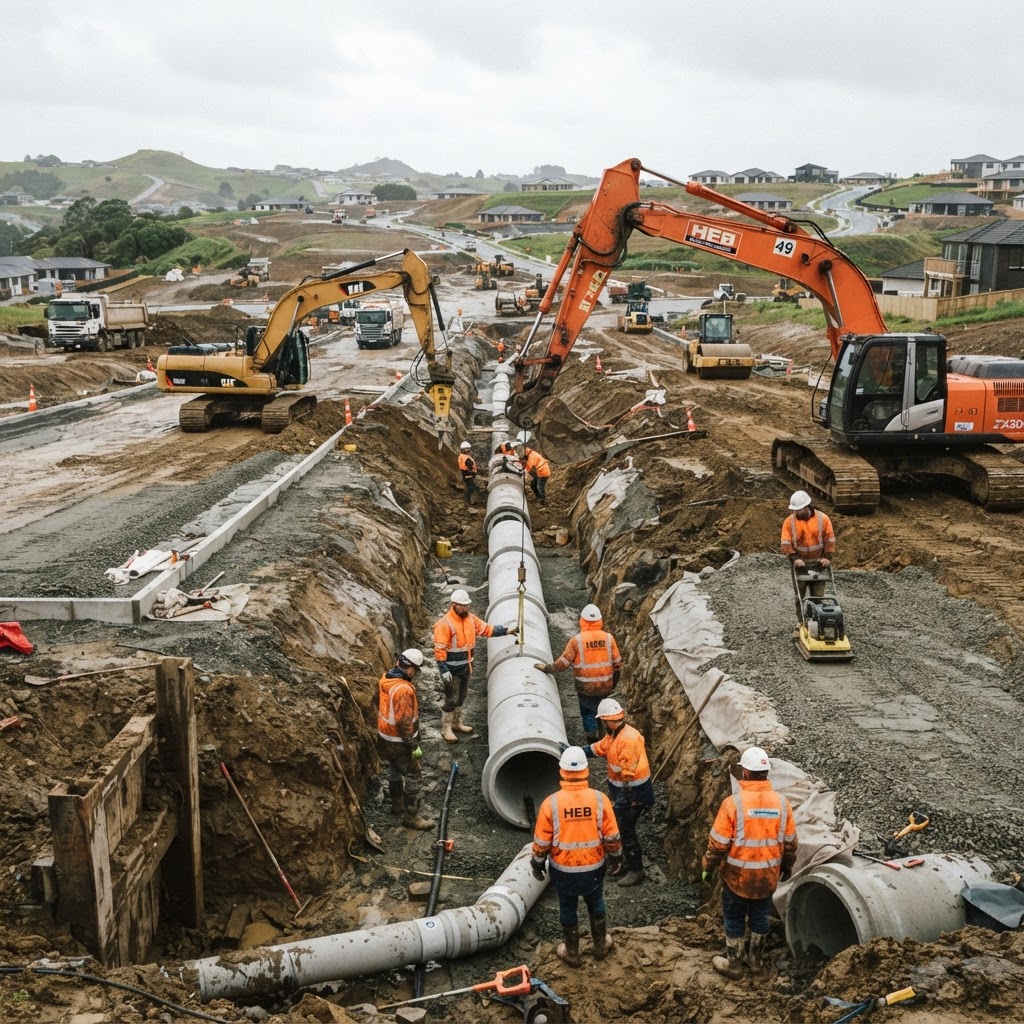
PC120 does not alter any of this. It simply allows more dwellings to be consented faster than the supporting infrastructure can be built. The outcome is predictable. Localised capacity failures, declining service levels and rising public resistance to further intensification will follow.
This is not a temporary management shortfall. The system is structured to prioritise process compliance, risk avoidance and political consultation over matching the pace of plan-enabled housing. Intensification without concurrent infrastructure is not smart growth. It is deferred failure.
Process reform under existing law
Process changes that can be made under existing law offer the first gains. Council should establish dedicated Growth Infrastructure Delivery Units with ring-fenced funding and staff focused solely on PC120 zones and transport corridors. Infrastructure design and consenting should run in parallel with housing consenting rather than sequentially. Early Contractor Involvement and design-and-construct contracts should become the default for growth projects, with tighter variation controls and clear time incentives. Standard designs for common infrastructure elements should be pre-approved to cut design and consenting time. Capital decisions by the Governing Body and Local Boards should be explicitly tied to published infrastructure capacity assessments so that zoning and funding cannot diverge for long.
Legislative change for lasting speed
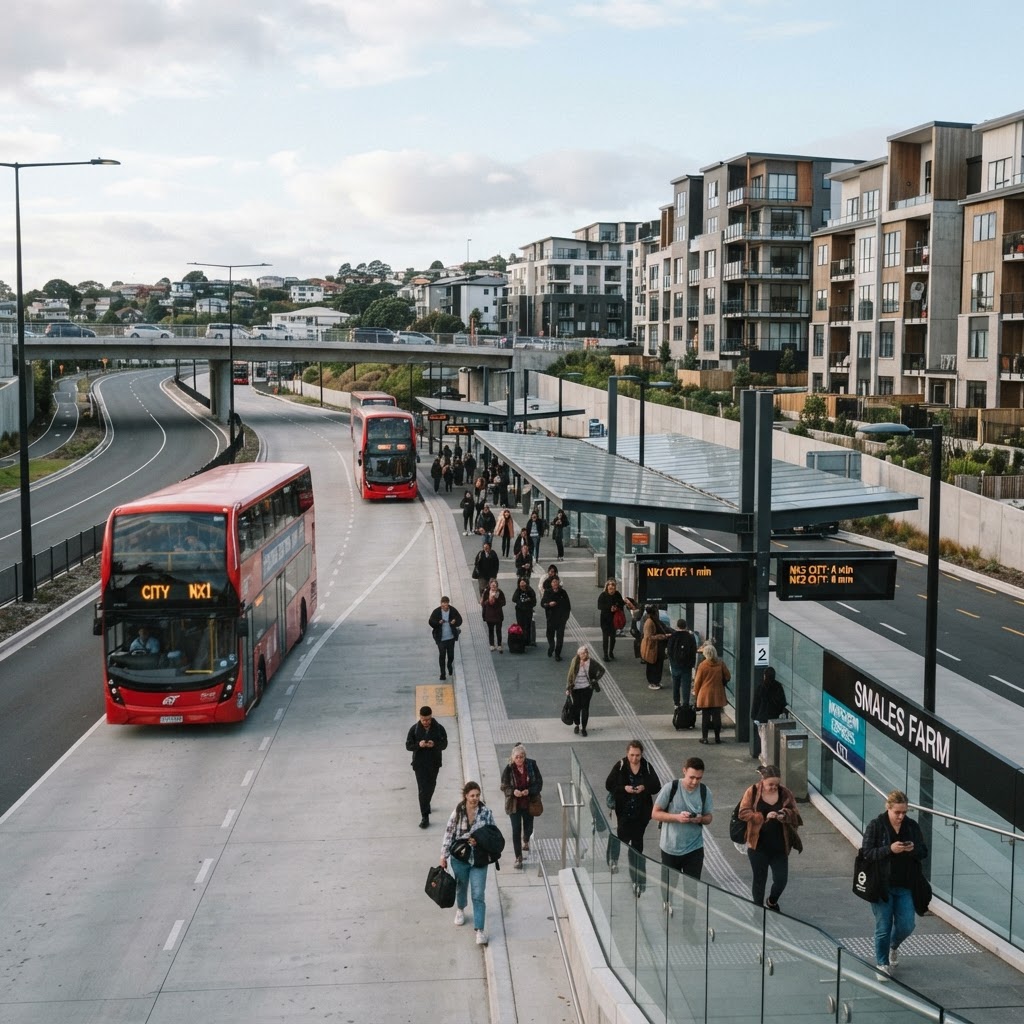
These steps improve speed without new legislation. Structural change requires legislative reform. The Local Government Act should introduce statutory delivery timeframes for growth infrastructure once land is plan-enabled under instruments such as PC120. A streamlined consenting pathway should be created specifically for Council or CCO infrastructure required to service NPS-UD and PC120 outcomes. Development contribution and Infrastructure Funding and Financing mechanisms need sharper front-loading powers so infrastructure can be delivered ahead of, or in step with, housing. A special-purpose delivery vehicle with commercial-style powers for defined critical growth projects should also be considered, while remaining accountable to Council.
The gap will widen without both
PC120 will enable more homes. That is its purpose. The question is whether Auckland will deliver the infrastructure that supports them at anything close to the same pace. Under the current capital project system it will not. Housing will arrive first. Congestion, service shortfalls and declining amenity will follow. Public support for intensification will erode.
Process reforms can buy time. Legislative change is required for lasting speed. Without both, PC120 simply widens the gap between plan-enabled housing and the infrastructure that makes a city work.
Join the discussion
Community members are invited to add perspective, evidence, or a sharp question. Be specific and keep it civil.

