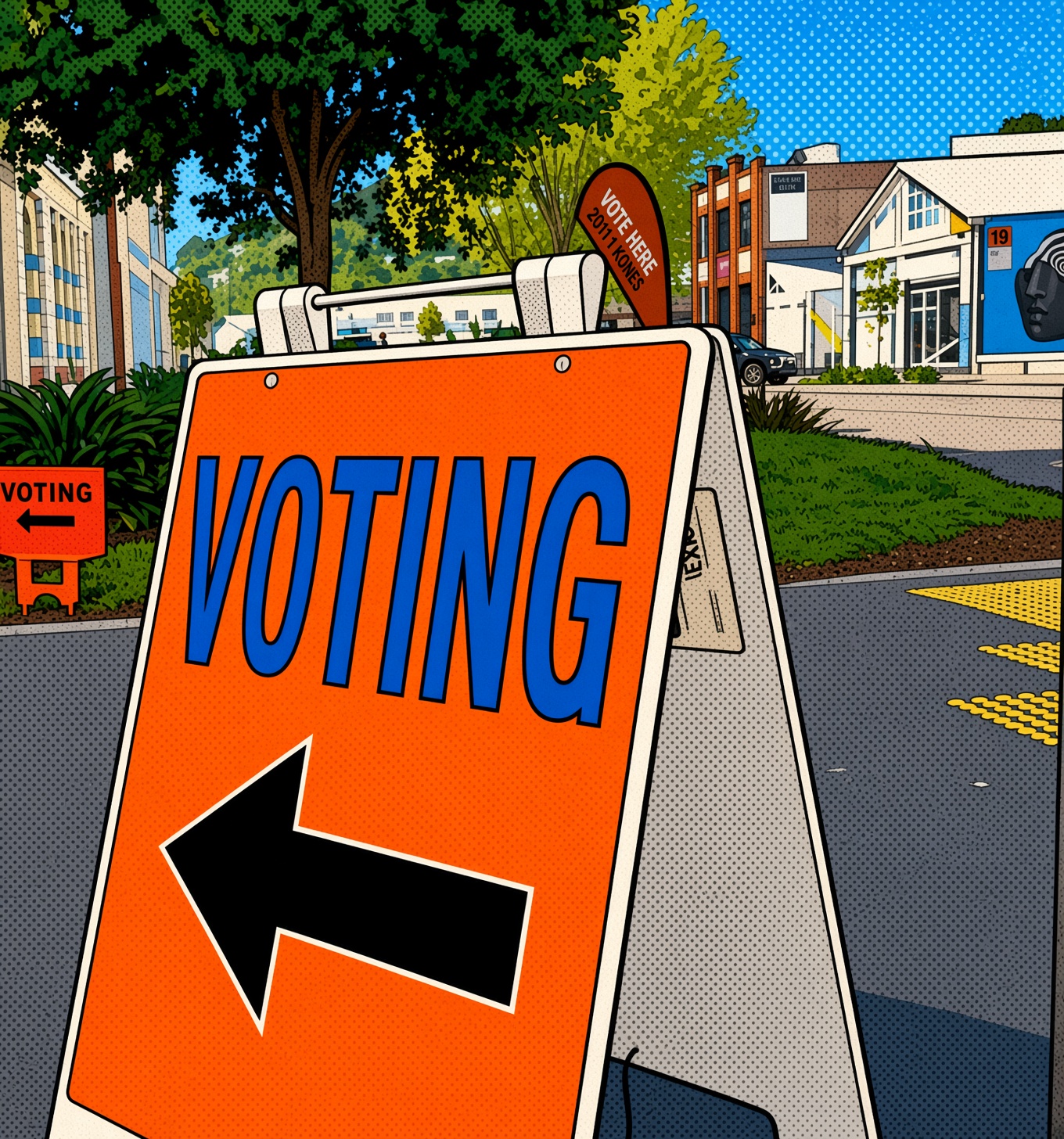
Mayor Wayne Brown’s Auckland Council: A Masterclass in Failed Decorum, Served With a Generous Side of Sarcasm
In the demanding world of local government, where Auckland grapples with housing pressures, strained infrastructure, ballooning rates, and the need for genuine community infrastructure like upgraded sports fields, decorum stands as far more than polite etiquette or outdated formality. It forms the essential foundation that allows elected officials to debate vigorously yet productively, maintain public confidence, and deliver tangible results for ratepayers. Yet under Mayor Wayne Brown, council proceedings have too often devolved into personal barbs, public shaming sessions, and crude asides that erode this foundation.
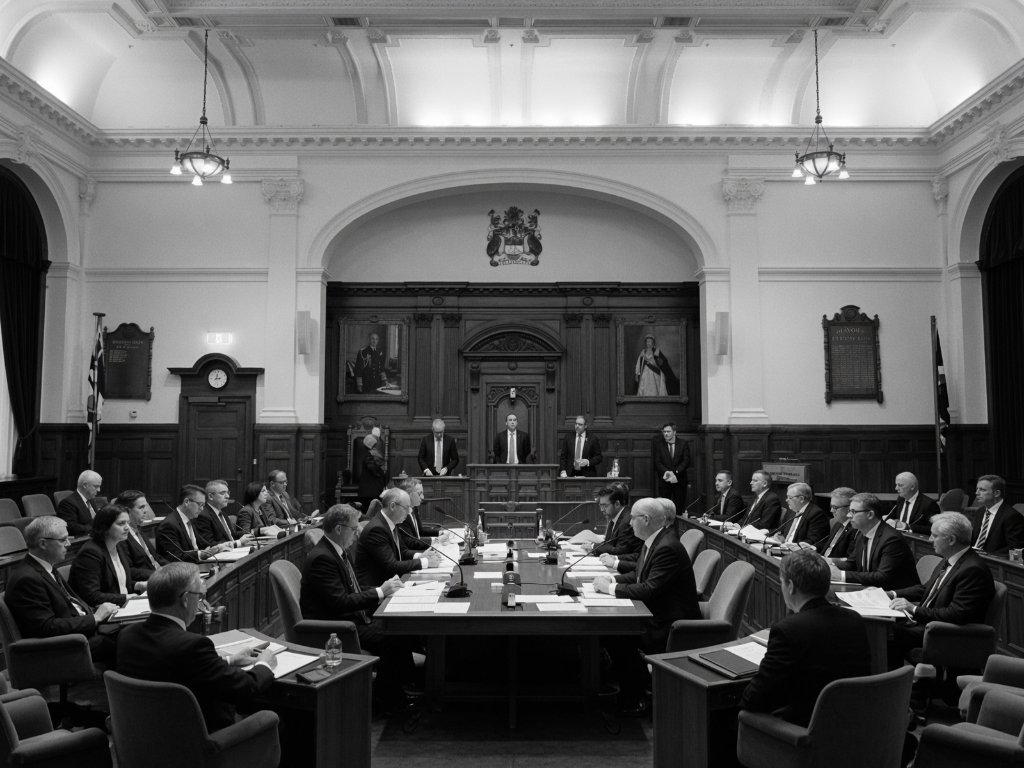
In the demanding world of local government, where Auckland grapples with housing pressures, strained infrastructure, ballooning rates, and the need for genuine community infrastructure like upgraded sports fields, decorum stands as far more than polite etiquette or outdated formality. It forms the essential foundation that allows elected officials to debate vigorously yet productively, maintain public confidence, and deliver tangible results for ratepayers. Yet under Mayor Wayne Brown, council proceedings have too often devolved into personal barbs, public shaming sessions, and crude asides that erode this foundation.
To be ruthlessly direct, this pattern represents repeated, well documented lapses in professional conduct that would trigger immediate red flags in any standard employment setting and actively undermine the serious governance Auckland desperately requires.
The “Pacific victims” exchange
Consider the August 2025 public exchange that highlighted cultural insensitivity and personal targeting. After councillors Lotu Fuli and Alf Filipaina defended their strong attendance records, which actually surpassed the mayor’s own figures, Brown accused them of playing the “Pacific victims” card. He doubled down with remarks suggesting they were “always victims,” a statement that carried uncomfortable echoes of broader stereotypes about Pacific communities and laziness. Fuli responded forcefully, describing the comments as not only inaccurate but damaging, and explicitly rejecting any slide into racist rhetoric.
In a free flowing workplace discussion this might pass as clumsy frustration, but from the mayor’s chair during formal proceedings it lands as a failure of basic decorum and leadership restraint. A light touch of levity might note that council meetings occasionally need popcorn for the drama, yet the underlying issue remains serious: public elected roles demand higher standards, not playground level put downs that alienate colleagues and communities alike.
Mocking illness in open session
The pattern continued in July 2025 during discussions around meeting attendance and quorums. With committee sessions cancelled due to insufficient numbers, Brown singled out councillors joining remotely. He offered well wishes to some while directing pointed sarcasm at Wayne Walker, suggesting he had not yet been “run over by a car” and that perhaps someone could arrange it. Walker had cited illness. This occurred in open session, prompting a point of order from another councillor who found the review of personal reasons unusual and inappropriate.
Under employment law principles such as those in the Employment Relations Act 2000, publicly mocking legitimate absences, especially when aimed at perceived critics, constitutes classic hostile environment behaviour. It breaches good faith obligations that require active and constructive relationship maintenance. A fair and reasonable employer test would view this harshly, opening doors to personal grievances for unjustified disadvantage, reputational harm, and potential compensation for humiliation.
A “boys club” atmosphere
Cruder moments further illustrate the slide. Multiple councillors reported Brown making a vulgar remark during a meeting about a male colleague experiencing an orgasm, contributing to wider concerns about a “boys club” atmosphere. Prominent female elected members felt compelled to meet separately to discuss strategies for navigating the environment.
These are not isolated edgy jokes. In any structured workplace they would invite formal complaints, investigations, and likely payouts under harassment and bullying frameworks. Add to this the forwarding of public emails that labelled dissenting councillors “dip shits,” public declarations of colleagues as “morons” or “financially illiterate,” instructions for Mike Lee to “shut up, fool,” and mockery of Christine Fletcher for supposedly frequent tearful approaches. The cumulative effect paints a picture of personalised vendettas rather than robust policy debate.
Consistently counterproductive
One can almost admire the consistency if it were not so counterproductive. Why grind through the details of long term plan delivery, parking equity for small businesses, or advocacy for artificial turf at Keith Hay Park when there are colleagues to label and attendance records to weaponise?
The levity fades quickly when such conduct fuels public narratives of dysfunction, bullying allegations, and councillors feeling sidelined for failing to align with what some describe as a “Trumpian” style. In governance terms this chills healthy dissent, weakens committee effectiveness, and damages the collaborative spirit essential for addressing Auckland’s challenges like balanced intensification under Plan Change 120 or strengthening sports clubs as vital social infrastructure.
Where the law draws the line
From a strict legal and procedural viewpoint the issues multiply. The Local Government Act 2002 and associated codes of conduct emphasise integrity, respect, and good governance. Employment court precedents, even applied analogously to elected settings, stress that repeated public belittling, cultural stereotyping, and retaliatory tones fall well short of fair and reasonable standards.
Councils have faced successful claims and ordered remedies for far milder process failures, including compensation in the tens of thousands for stress and lost dignity. Excuses around political robustness or “bluntness” rarely withstand scrutiny when the behaviour is targeted, public, and persistent. Staff excuses for forwarded abusive content or claims of excitement do little to shield the overall culture.
The ratepayer’s standard
Auckland ratepayers fund this machinery expecting outcomes, not entertainment or embarrassment. Failed decorum here is not harmless colour or authentic character. It is a symptom of deeper cultural shortcomings that make progress on core issues exponentially more difficult.
Real leadership models the professionalism it demands from others. It channels energy into solutions rather than spectacles.
The city deserves council chambers focused on delivery, not headlines about crude remarks or suggested vehicular incidents. If the current approach continues, the legacy risks becoming a cautionary tale rather than a blueprint for effective city building. Time to recalibrate, restore basic standards of respect, and refocus on what actually moves Auckland forward. The alternative is more of the same: dysfunction dressed up as decisiveness, with ratepayers ultimately paying the price in eroded trust and stalled progress.
Join the discussion
Community members are invited to add perspective, evidence, or a sharp question. Be specific and keep it civil.