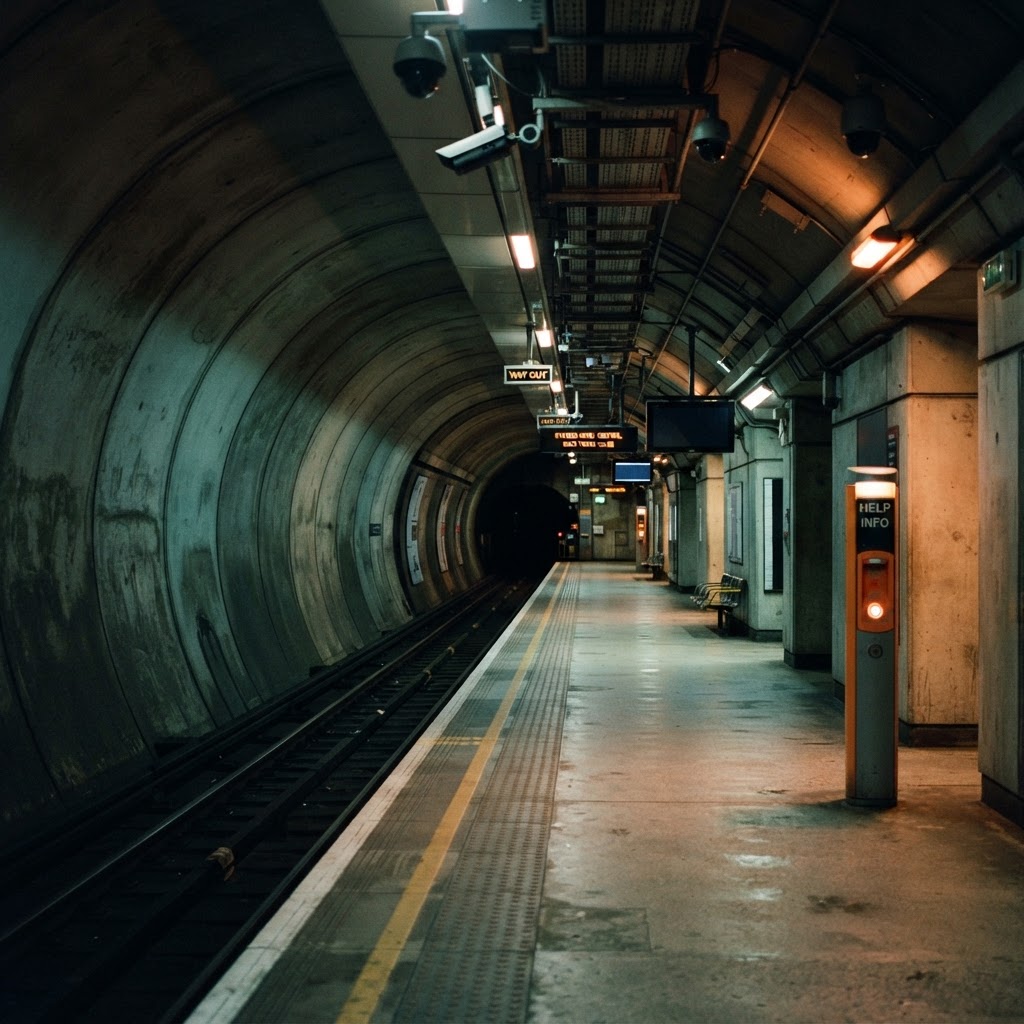
Will the push for public transport kill the Kiwi adventurer spirit?
The push for public transport is not designed to kill the Kiwi adventurer spirit, but the unintended consequence of removing parking and constraining access, while the alternative cannot yet carry the full load of the lifestyle it seeks to replace, is closing the room in which that spirit can operate.
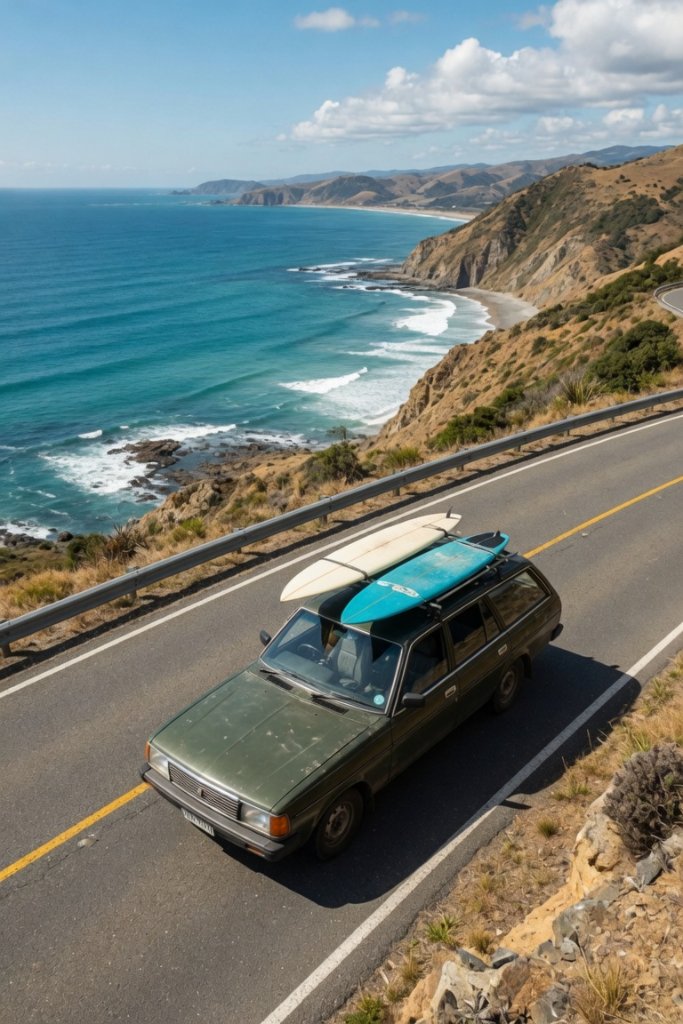
Will the push for public transport kill the Kiwi adventurer spirit?
Not by design. By unintended consequence.
The adventurer spirit is the practical freedom to decide on a clear Friday that the beach or the mountains are calling, load what is needed, and leave the city without first checking whether the limited network of fixed routes, transfers and schedules can get you there and back. That capacity still shapes large parts of Auckland life. It is not ideology. It is the lived response to a spread-out geography where the places that reward spontaneity sit beyond the reach of the frequent network.
The gap public transport has not closed
Public transport has improved inside dense corridors and for peak commuting. It has not closed the gap for the trips that keep the spirit intact. Equivalent journeys by public transport still average more than three times longer than driving. The network stops short of the coast and the snow on any schedule that works for families or weekend decisions. Boardings recovered after the pandemic yet remain well below the mode-shift targets set in emissions pathways. The shortfall is structural, not temporary.
Policy has narrowed the space
Policy has narrowed the space around that shortfall. The National Policy Statement on Urban Development removed minimum parking requirements across most residential zones. The Auckland Unitary Plan now allows higher-density developments to provide little or no on-site parking. Intensification under PC120 concentrates growth along transit corridors while parking supply is deliberately constrained. The stated goal is lower housing costs and mode shift. The unintended result is that many new households still need vehicles for work, family and the simple act of leaving the city, yet formal parking space has been reduced. Overflow onto streets, neighbour friction and reduced liveability follow. These outcomes were predictable. They are now measurable. National ministers have already signalled a review of the blanket removal of minimums for exactly this reason.
Not a defence of the car
This is not a defence of the car as an end in itself. It is recognition that removing the practical ability to use one, while the alternative cannot yet carry the full load of the lifestyle it seeks to replace, shrinks the room in which the adventurer spirit can operate. Electrification of the fleet, better rapid transit where density and demand justify it, and genuine choice are all compatible with retaining that room. Progressive constriction of parking and access on the assumption that people will simply stop needing the freedom the car still provides is not.
The cars will not disappear
Until Auckland Transport, Auckland Council and central government understand this and stop applying frequent urban design principles without taking the Kiwi spirit into account, the cars will not disappear. They will simply pile up on the roads around Auckland. The demand for mobility that the spirit represents does not vanish when parking is removed or density is increased. It is displaced onto the existing network, adding pressure rather than relieving it. The result is more congestion, more conflict over street space, and a city that feels smaller even as it grows denser.
The legal tools to correct the trajectory
The legal tools to correct the trajectory remain available. Submissions on plan changes, including further variations affecting transport and parking, proceed under the Resource Management Act. Specific evidence of shortfalls, street impacts and the mismatch between service levels and the trips households actually make carries weight. The National Policy Statement review already under way offers a route to differentiated rules that restore minimums outside frequent public transport catchments. Local board and council processes under the Local Government Act allow pressure on parking management and design standards. Organised private voices that document the gap between policy theory and lived reality can operate without the institutional constraints that bind council staff.
A city that densifies while the practical capacity to leave it is steadily narrowed does not become more sustainable. It becomes smaller in the only sense that matters to the people who live in it.
The adventurer spirit survives only where the rules leave enough room for it. The current combination of mode-shift ambition and incomplete replacement is closing that room as an unintended consequence. The question is whether the institutions will reopen it before the capacity is lost and the roads fill further.
Join the discussion
Community members are invited to add perspective, evidence, or a sharp question. Be specific and keep it civil.
No comments yet. Be the first to weigh in.